SYML
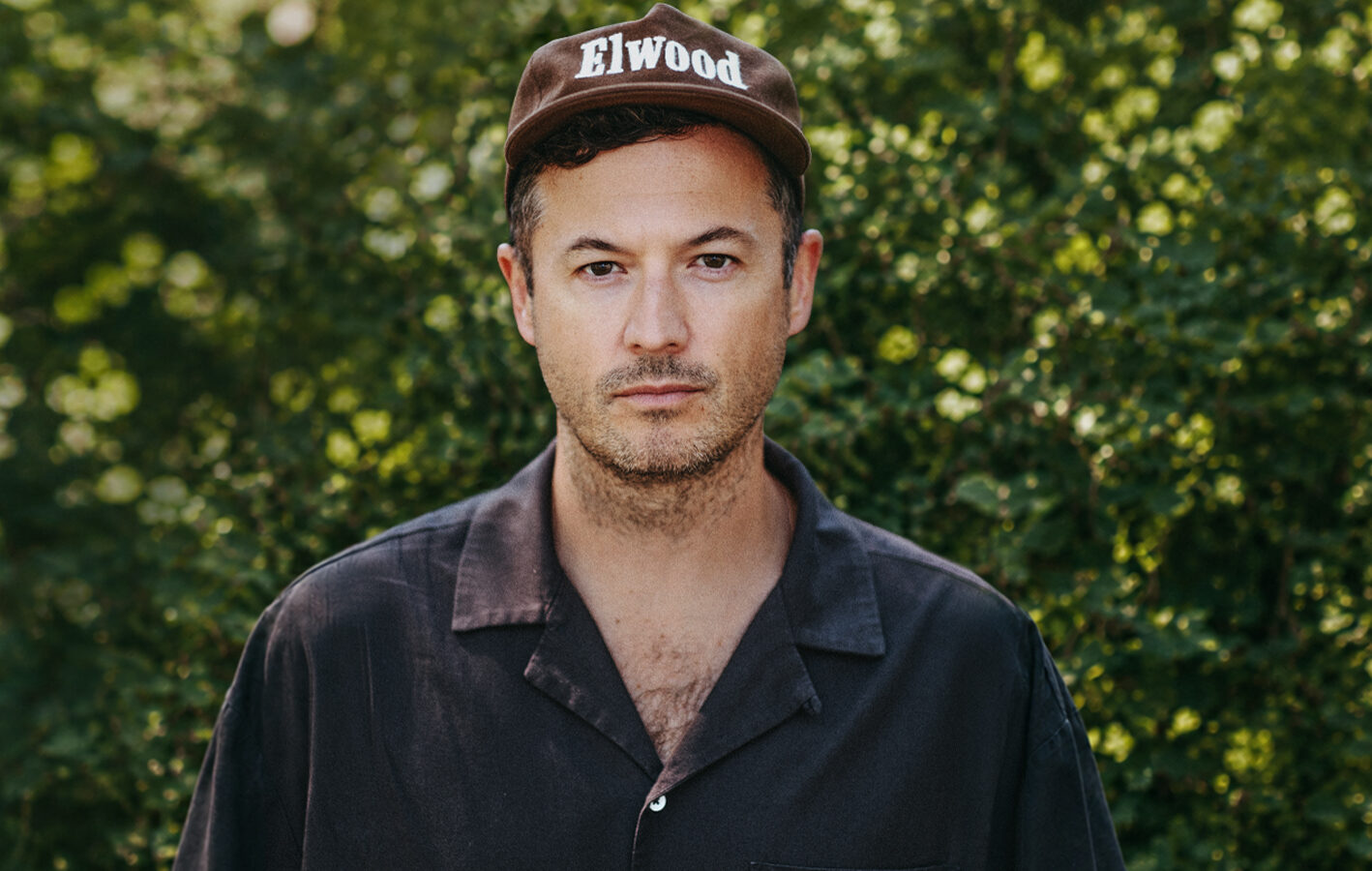
Brian Fennell has spent years making music from private experience. As the songs move further from the moments that made them, he has become more interested in what they carry forward.
A recording fixes a song in one form. It gives it a duration, a final mix, a version you can return to exactly as it was. Brian Fennell has spent enough time with his own catalogue to know how little that settles.
“Songs immediately change as soon as you sort of declare them done in a recorded fashion,” he says.
Fennell has caught himself returning to old SYML songs and realizing he no longer sings them the way he recorded them. Sometimes a melody bends somewhere new. A phrase lands differently. He can be convinced he has reproduced the record faithfully, then listen back and hear the distance.
Play anything often enough and instinct starts looking for another way through. But that only explains part of it.
“Your life changed,” he says. “You just have to not fight that and perform from where you are.”
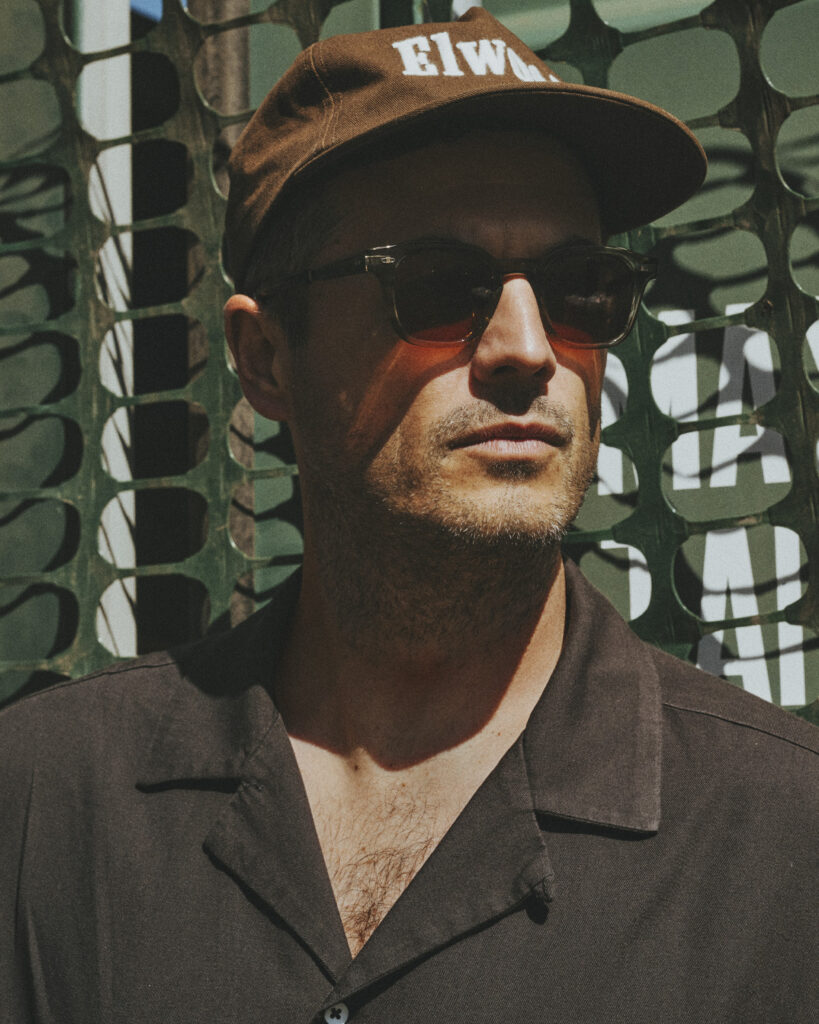
This summer, that idea followed him to the Edmonton Folk Music Festival, where artists from very different corners of the lineup are brought together for collaborative workshops with little time to rehearse.
“I don’t tend to be naturally, like, a jammy type of musician,” he says. The workshop format is “a little bit my nightmare.”
He can see the mythology of it: musicians gathering years ago, passing something around, picking up instruments and instinctively finding a song together.
In Edmonton, the musicians sharing the stage had met only minutes before they began playing together. Among them was a pedal steel player who seemed to find his way into Fennell’s song almost immediately.
“It was as if he had heard my album before and knew exactly where to play and how to approach the song,” Fennell remembers. “It was deeply moving, actually.”
There is something unexpected in that kind of recognition. You can spend years developing a musical language, deciding where a sound enters and where it should disappear, only to meet a stranger who hears the grammar immediately.
“I’m not just this special angel performer who has to be so controlled,” he says. “Everyone is a human, writing from the same place.”
The joke lands because it catches him in a contradiction. He is meticulous by nature, yet some of the most revealing moments in SYML’s music arrive when that precision has done its job and something else is allowed in.
Paris Unplugged tested that instinct at Le Consulat in Paris. He went into the project with a tightly defined performance in mind. There was a click track and a fixed shape to the arrangements. The musicians knew the plan.
Before the recording, Fennell and his main collaborator pulled it apart.
“It just didn’t feel like it was doing the songs any justice,” he says. “It needed to flow and breathe in the room.”
It would be easy to turn this into a story about a meticulous artist learning to let go. Fennell doesn’t frame it that way. He trusted the musicians around him, the plan no longer sounded right, and they stopped following it.
“Why am I putting sort of like a bridle on these players and on the moment when it needs to be just more human?”
The songs had already been written. The task was no longer to establish what they were. It was to find out what else they could hold.
The performance became Paris Unplugged, and in July the original 16-track set expanded to 20 on Paris Unplugged (Live) [Deluxe]. What began with a rigid idea of how the songs should be played now exists, appropriately enough, as another version of them.
The songs themselves have travelled much further. SYML’s catalogue has passed five billion streams. “Where’s My Love,” the song that first carried the project to a much larger audience, is multi-platinum, while the Nobody Lives Here tour sold out across North America, the UK and Europe. A song begins with the person who writes it, but its meaning expands with every listener who finds something of their own inside it.
SYML has always been built around intimacy, and intimacy is impossible to fully supervise. Fennell says he wants music to feel “disarming.” That requires leaving a certain amount of space around it. Too much instruction and the listener has nowhere to go.
Instrumental music opens that space even further.
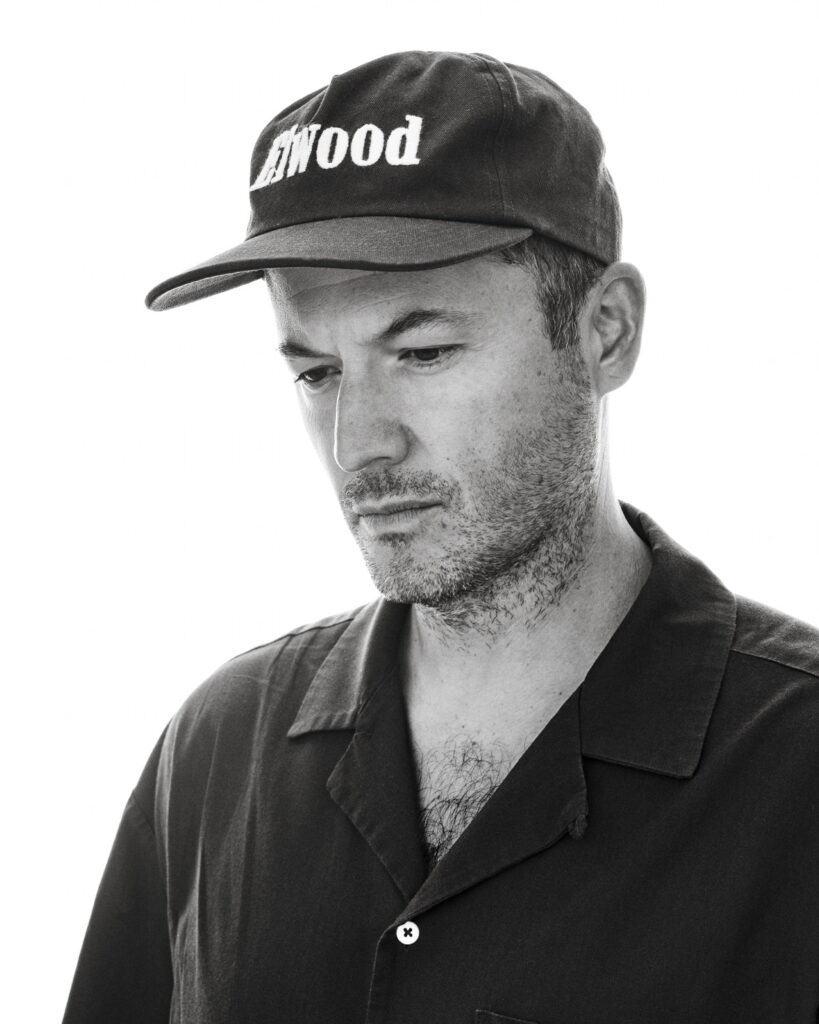
That interest has become more pronounced in his recent work. In May, SYML released The Morning After Death, a piano EP that moves further into instrumental composition.
“I want to make music that feels like a soundtrack to people’s lives,” he says. Words, he adds, can sometimes get in the way.
That was part of the appeal of “I Wanted to Leave,” the spare piano instrumental Fennell composed in Paris. With no lyric fixing it to a particular story, whatever it carried could remain unstated.
Then Lana Del Rey put words to it.
Fennell had written “I Wanted to Leave” while in Paris wanting to go home. Del Rey knew nothing of that when she wrote “Paris, Texas,” which also turns toward leaving and returning home.
“She couldn’t have known that I wrote it from that place … It was just a really special moment.”
When the conversation turns to Nobody Lives Here, Fennell talks less about death than about living through time. He has been a son and become a father. Now he is, as he puts it, a “parentless father.” People reach ages you remember being yourself; others disappear.
“You sort of question your record of time,” he says. “What you’re actually remembering and how you actually remember, and what is a memory even? Is it accurate?”
The title carries that impermanence plainly: nobody lives here for long. But mortality also makes the ordinary parts of being alive harder to dismiss.
“There’s so many beautiful moments of starting a family or being with somebody as they age on either side, whether that’s a kid or an older loved one, or someone who’s sick,” he says. “These milestones matter.”
For Fennell, paying attention becomes its own kind of record.
“It might hurt and suck, but it’s important to note it so that, as you advance, you can remember how things feel.”
Perhaps that is why Fennell does not fight the drift between a live performance and its recorded version. The person returning to the song is no longer quite the person who made it.
This fall brings SYML’s first solo U.S. headline run in three years, following the sold-out global Nobody Lives Here tour. The North American dates continue through November, with intimate performances spanning his catalogue and recent piano work.
In December, the scale changes again, with five performances in the Netherlands alongside the Metropole Orkest, conducted by Jules Buckley.
A stripped-back solo set and an orchestra might seem like opposite directions, but that is increasingly beside the point. Fennell is less interested in finding a definitive way to present these songs than in allowing them to meet the life he is living now.
Earlier in our conversation, he put it more simply: “Perform from where you are.”