Young Fathers
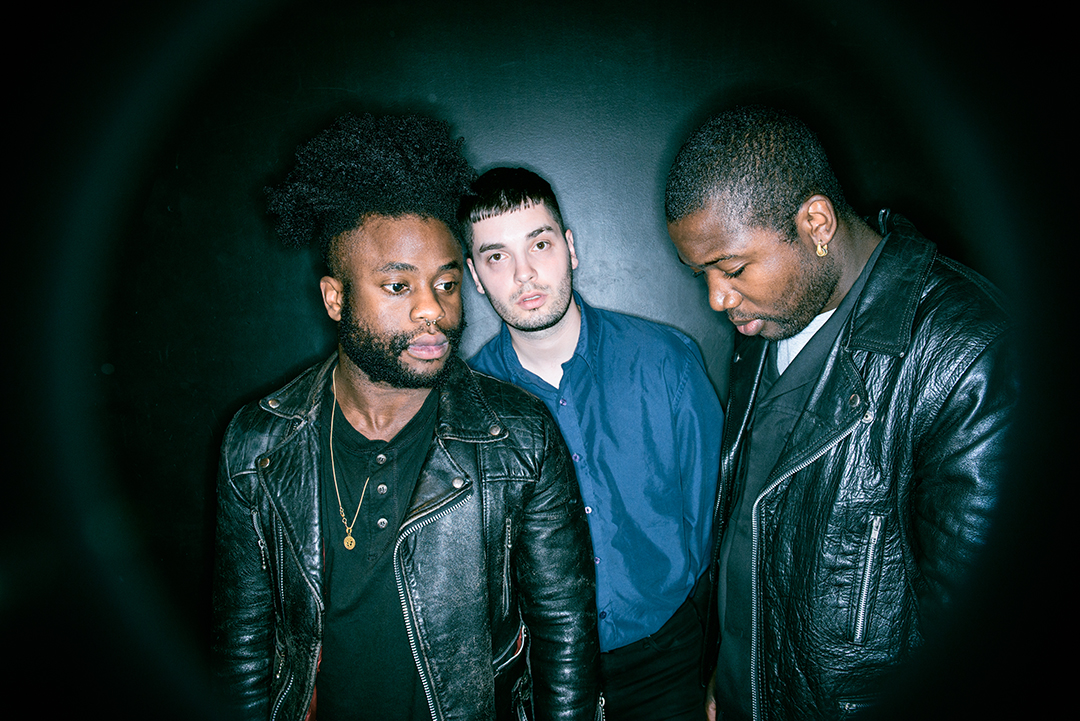
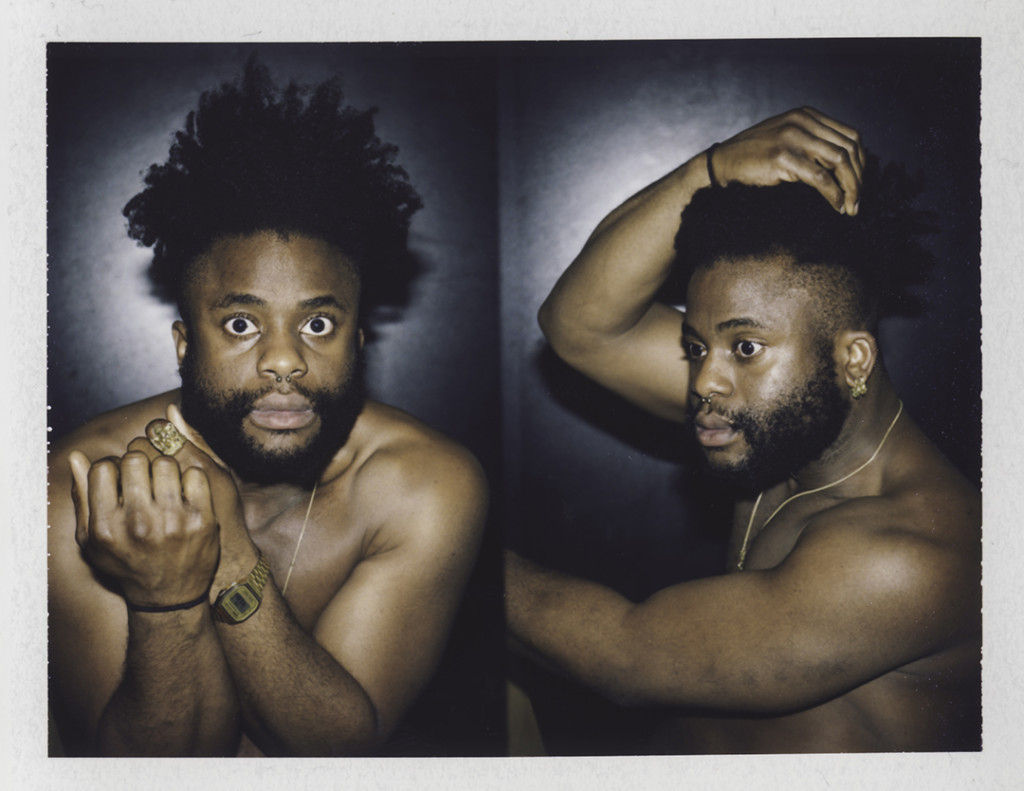
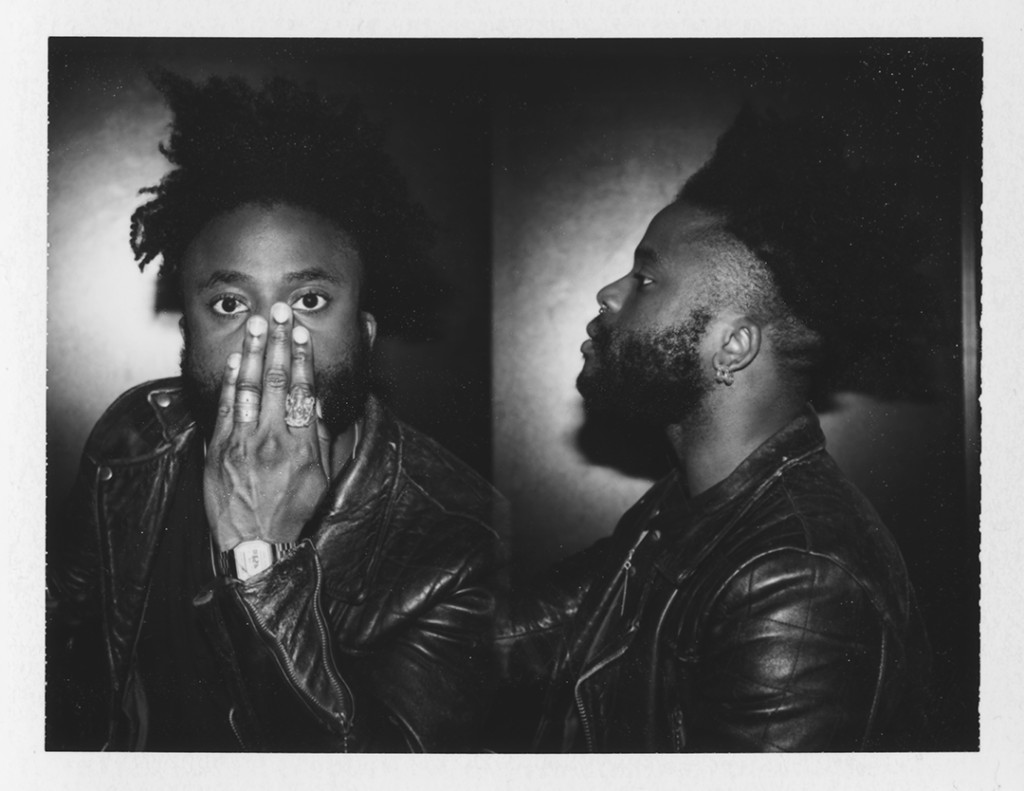


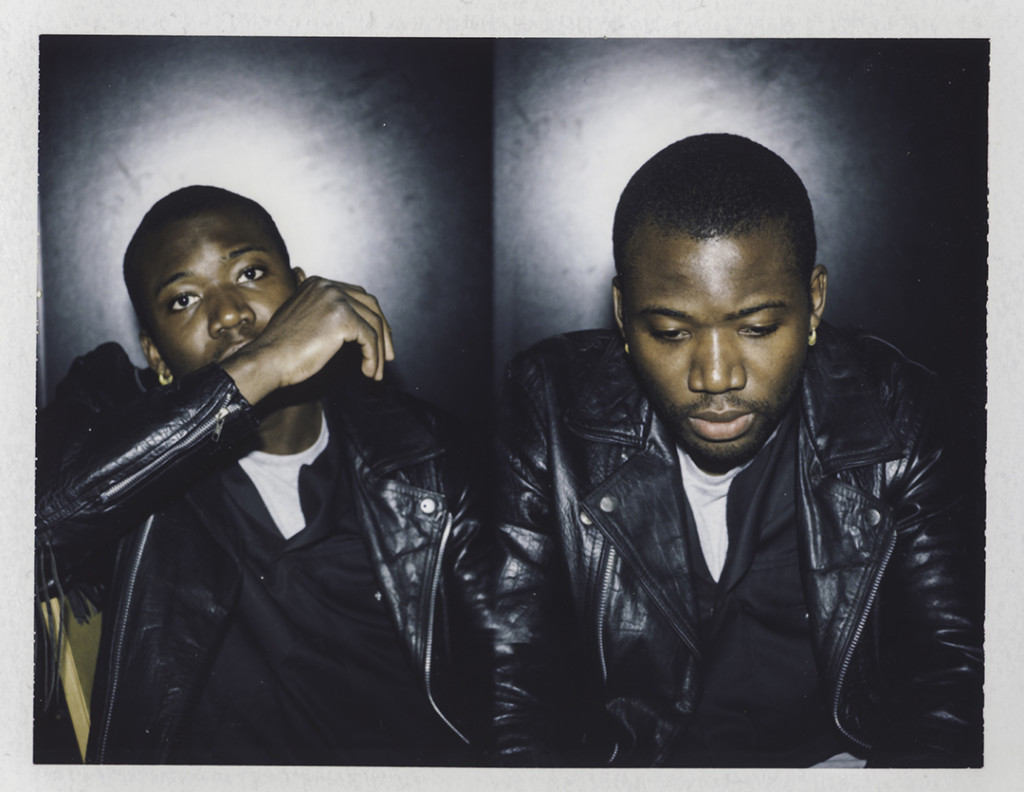
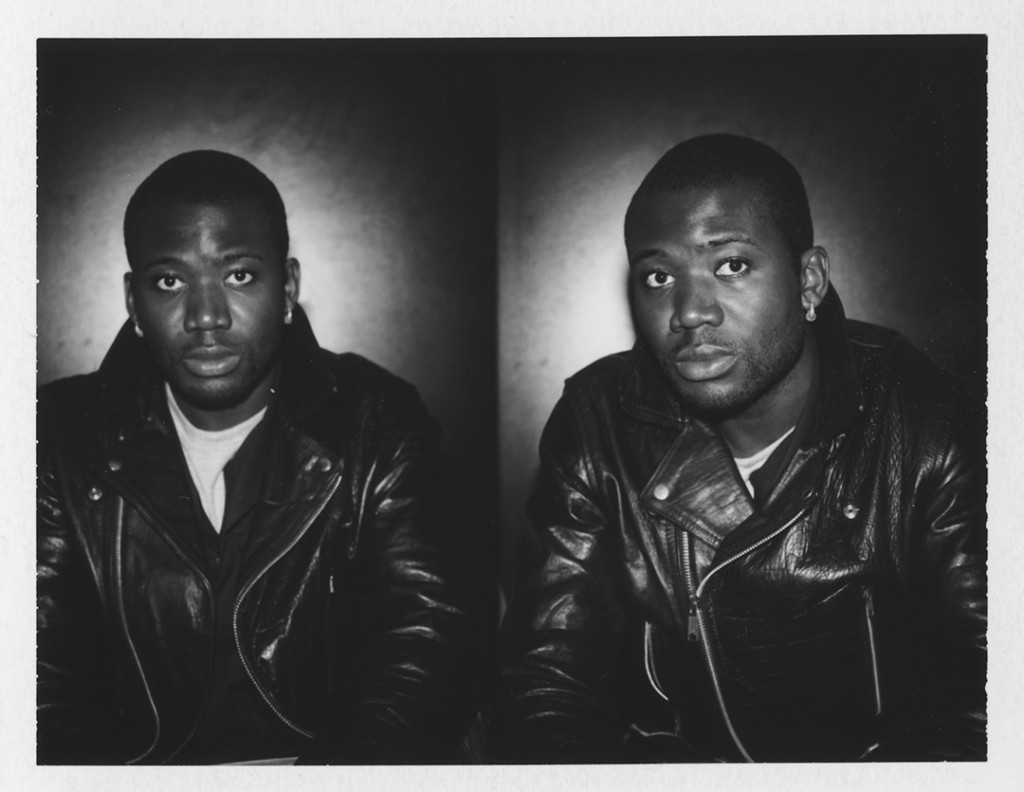
Genre-bending Scottish trio Young Fathers won the Mercury Prize for their 2014 debut effort Dead. Rather than heading back to their native Edinburgh to take some time before following up their crowning achievement, the band immediately decamped to a freezing cold basement in Berlin to record their sophomore effort White Men Are Black Men Too, released by Big Dada Recordings a mere six months after receiving the Mercury Prize.
“Winning the award was like a relief because you kinda just think, ‘Well, now what[ever] we do, people will hear it so let’s make it even better, let’s top ourselves again,’” says Graham ‘G’ Hastings over the phone during a lull in the East Coast stretch of their American tour. “I think if you feel the pressure in that situation, you can really succumb to it. It can really bring you down. We’re not like that.
For us, you just have to take advantage of it and that’s what we wanted to do. That’s why as soon as we won the award, the next day we went off to finish the album.”
Following the lead of their debut, White Men Are Black Men Too is another lean set of minimal stunners. Alternately recalling bands as disparate as TV On The Radio, Massive Attack, Fun Boy Three and The Clash, Young Fathers rip through this record with aplomb, relying on an uncommon chemistry between their three members that makes every song burst with life. And as you might expect from such a seemingly unclassifiable band, they find themselves dodging comparison at every turn.
That’s what we’ve been trying to do with this album – we’ve been calling it rock and pop, trying to denounce any kind of loyalty to any genre or any band. I’ve never heard one band that anyone’s ever mentioned that we’ve actually listened to in their comparisons.
“You just have to try and combat it,” says G. “That’s what we’ve been trying to do with this album – we’ve been calling it rock and pop, trying to denounce any kind of loyalty to any genre or any band. I’ve never heard one band that anyone’s ever mentioned that we’ve actually listened to in their comparisons.
“We’re a pop group. We just want people to know that, ‘cause that’s the fairest thing to do. It’s the broadest spectrum in music. We never wanted to associate with any kind of group, whether it be underground or shiny pop.”
This single-minded nature is in line with the spirit of their new album. The songs on White Men Are Black Men Too are short bursts of kinetic fury, punkish in length and intent. On vocals, Alloysious Massaquoi and Kayus Bankole are a two-headed monster with about ten voices between them. “Still Running” and “Shame” have the frenetic churning rhythm of a runaway train with vocal intensity verging on that of a gospel hymn.
“The thought behind the album was inspired by a little trip to America last year where all we had done was listen to the radio stations while traveling. And you listen to some great radio stations – some great religious stations – and they have some great one-liners where they repeat themselves and repeat themselves and repeat themselves.
“This record was definitely ‘less is more’. [Fewer] words but make sure the words are strong and then just repeat them. Direct and simplified – let the rhythms drive rather than stop and start and being too smart ass about it.”
Despite their occasionally cryptic lyrics, there’s still a subtle sociopolitical consciousness just beneath the surface of their music. Existential dread bubbles up throughout the album, with the line “Tonight I don’t love God” functioning as a singalong chorus. “Sirens” is an esoteric lament about gun violence in America. “Old Rock n Roll” is a ramshackle banger with provocative lyrics about “living life like a bubble-wrapped ape” and being “tired of playing the good black.” The album title itself can be perceived as confrontational or inclusive, depending on how the listener chooses to take it.
“We went over it for like three weeks and asked different people from different parts of the world and different backgrounds what [the title] meant to them,” says G. “The main thing was that people were fairly intrigued and spoke about it. Whether they like it or whether they don’t like, it’s not really the point. It was actually the fact that if they didn’t like it, they would speak and say why they didn’t like it.
“I hope it could be a de-fizzler. Especially now with what’s happening in this country, in America. Someone said on Twitter, ‘Oh, I bet you wish you never named your album that now,” whereas we just replied, ‘There’s no better time for people to come together.'”