Vic Mensa
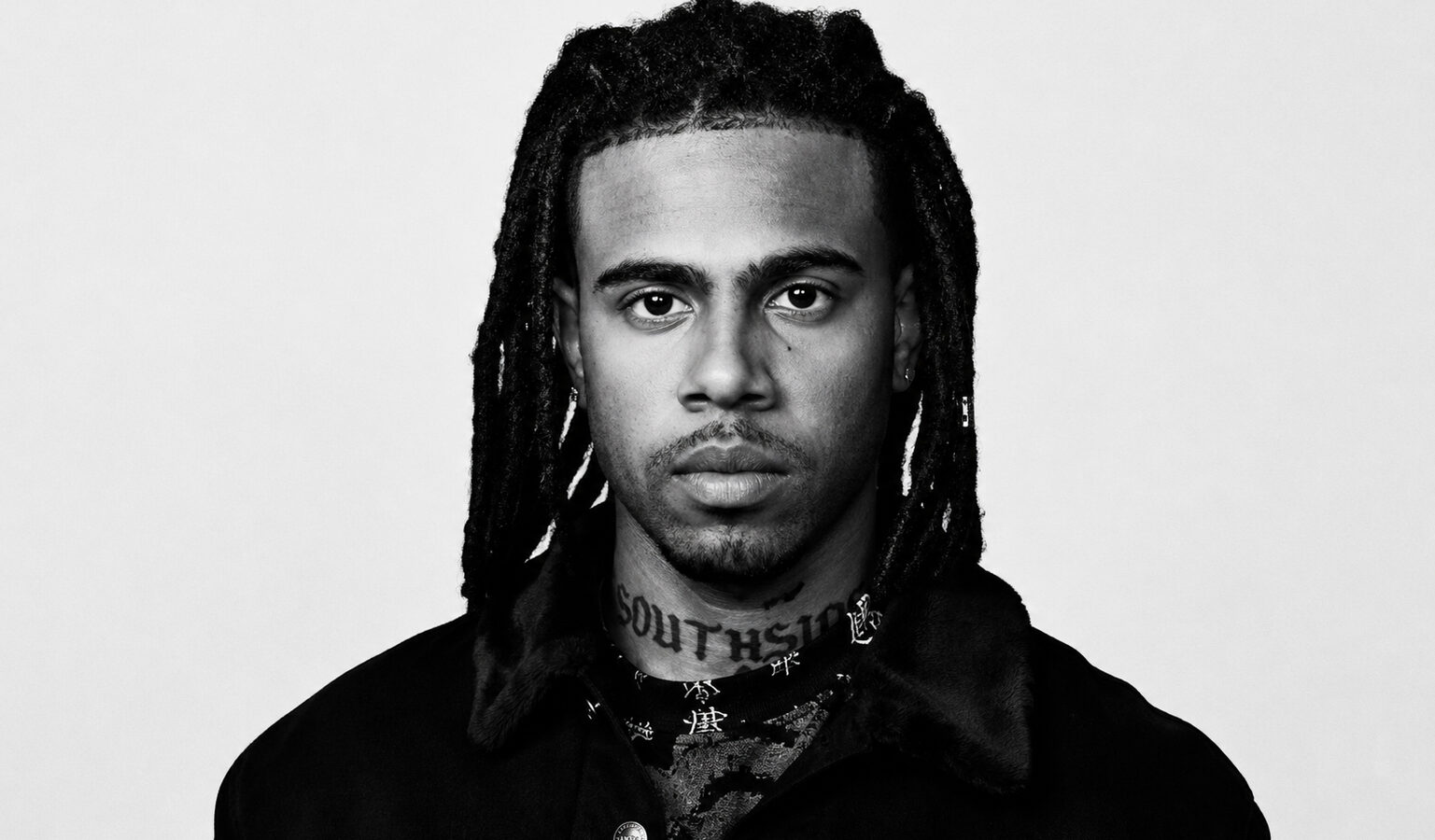
Vic Mensa didn’t make a rap album. He made a reckoning.
The Autobiography arrives not as a debut so much as a document, the kind of record that could only exist on the other side of something. Loss. Addiction. Depression. The near-miss that doesn’t show up on a police report. Mensa, barely 24 and already carrying the weight of Hyde Park, the South Side, and every co-sign that came with them, chose the most difficult thing an artists in his position could do: he told the truth.
Growing up between millionaire neighbours and project kids gave Mensa a vantage point most rappers borrow and few actually own. The son of a Ghanaian professor father and white teach mother, he understood inequality not as abstraction but as the walk to school. By 13 he had already learned what it meant to a young Black man in front of a Chicago police officer, That Education never left him, it just found a microphone.
The weight of expectation has followed him in the ways that would have buried a lesser artist. The Kanye co-sign. The Jay-Z signing commemorated with a tattoo. The long shadow of Chance the Rapper, a high school friend whose ascent ran parallel and relentless. Mensa canceled an entire album, Traffic, because it didn’t feel honest enough. That kind of refusal, at that stage of a career, says more about an artist than any press release.
What you get with Mensa is someone who cannot separate the personal from the polecat, because his life has never allowed it. He was at Standing Rock. He was in the streets after Laquan McDonald. He’s been grabbed by CPD while protesting peacefully and walked away to write about it. In a moment when hip-hop is being asked to carry the moral weight of a generation. Mensa isn’t performing that role, he’s living it, and has been since long before it was the right thing to say publicly.
The Autobiography is now out on Roc Nation and Capitol Record.