Garland Jeffreys
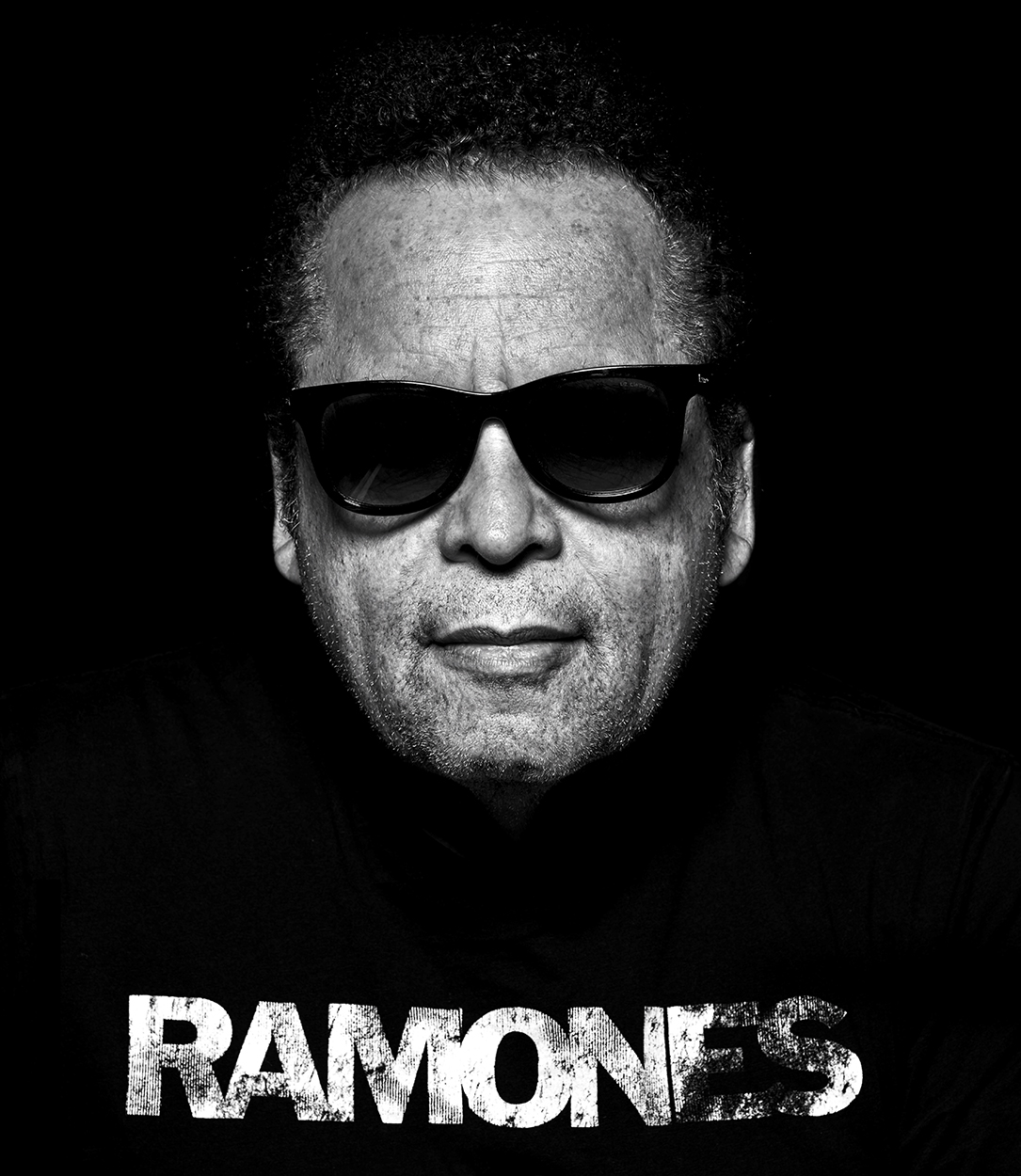
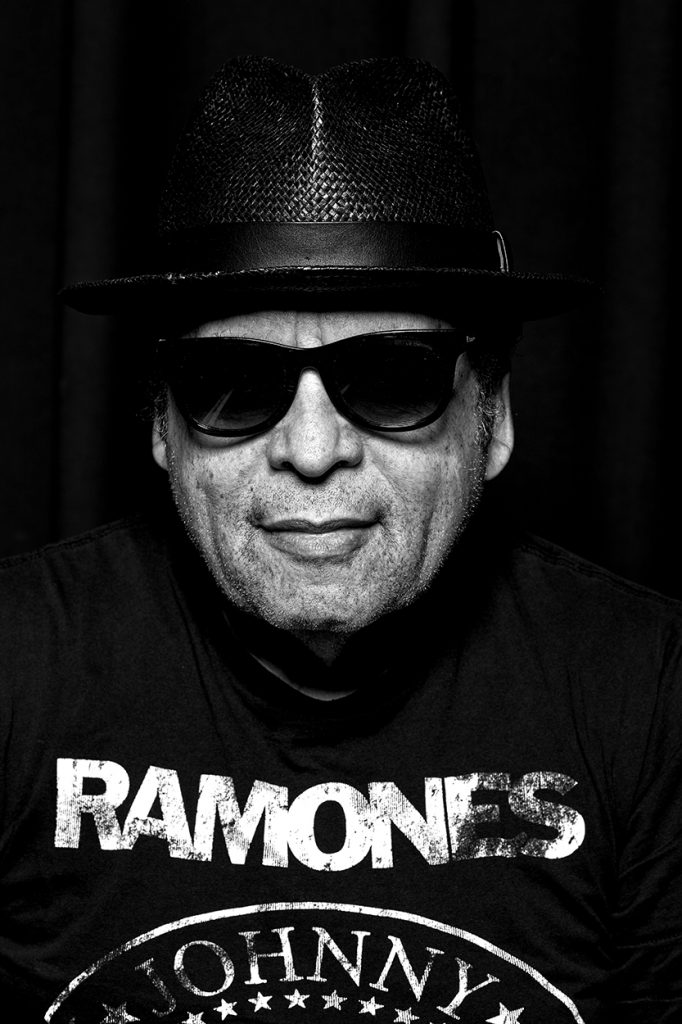
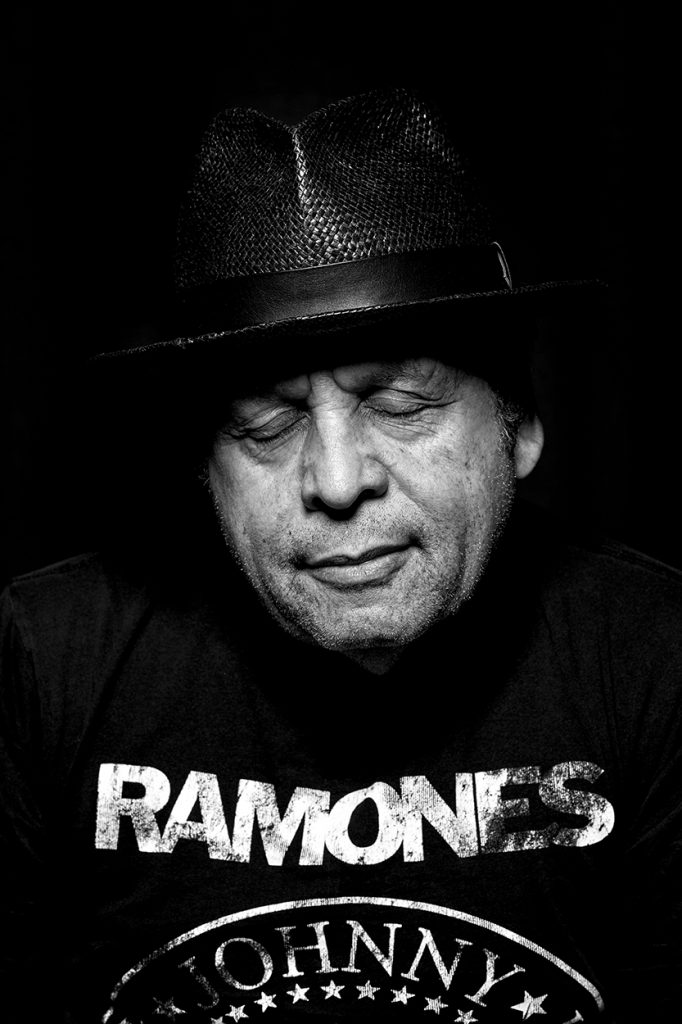
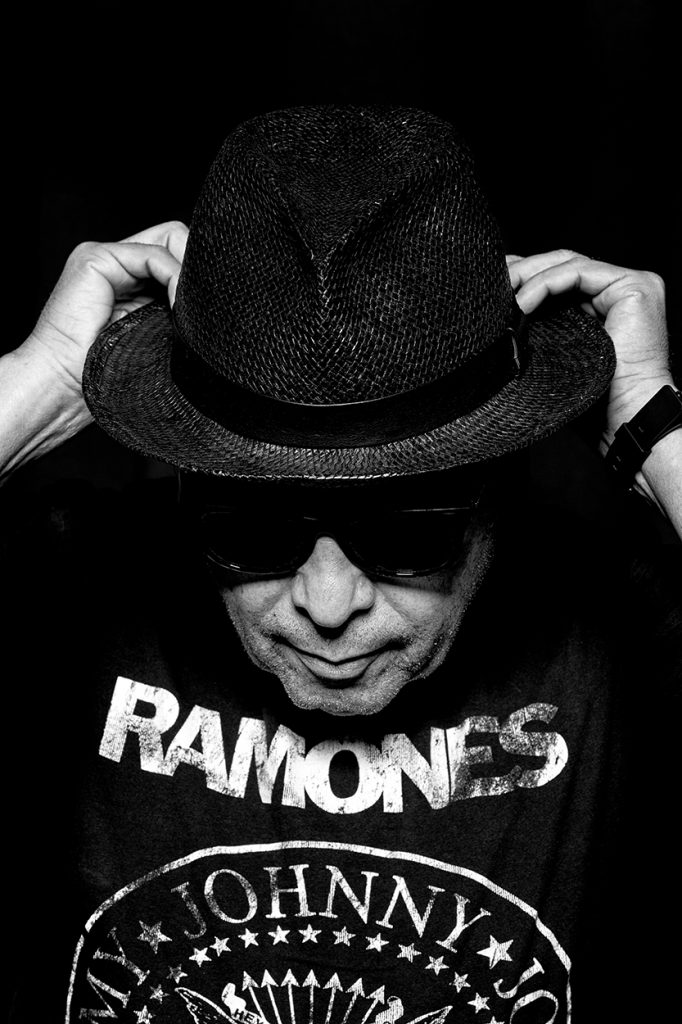

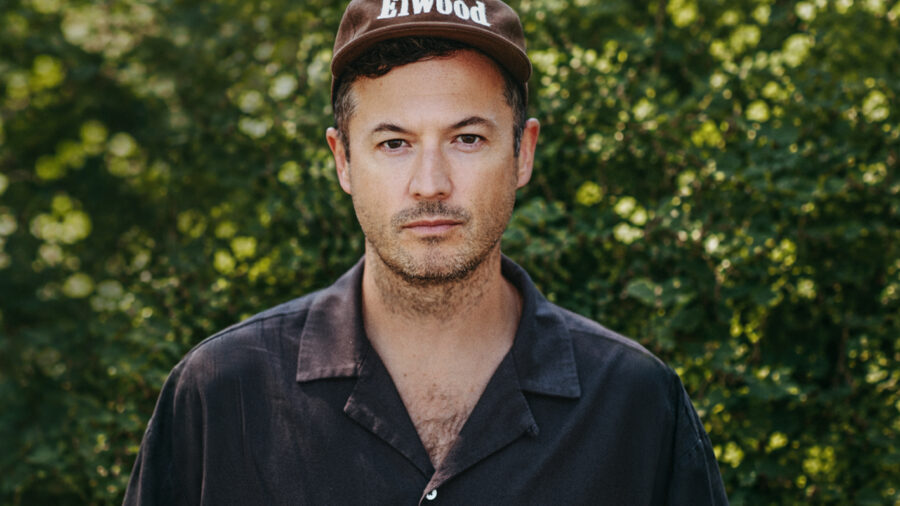
Garland Jeffreys’ album, 14 Steps to Harlem, grew out of a soulful period of retrospection late in the artist’s life and career. As a veteran songwriter, Jeffreys started writing provocative, ahead-of-its- time, genre-bending songs in the early 1970s, with lyrics focused on everything from relationships to racial diversity to political turmoil. Now in his seventies, the New York musician is looking back on his life with an album that takes on bold topics and includes a title track inspired by his turbulent relationship with his father.
Jefferys spoke with Georgie about his latest release, his relationship with Lou Reed and his somewhat unconventional approach to songwriting.
Georgie—14 Steps to Harlem is a great album.
Garland Jeffreys—Thank you. I’m very proud of the record. I took some chances in recording it but had confidence that it could be something special. You don’t know a record is good or bad until it’s done – then you know. I worked on the album with my co-producer, James Maddock, who’s a great artist in his own right.
G—The title track, “14 Steps to Harlem”, stood out to me. I read that it was written with your father in mind. Did the experience of writing about your dad help you to see him in a new light?
GJ—I had a rough time with him growing up. But … as time went on, he began to understand and he made a big apology to me. I treasure that apology. Toward the end of his life we were able to move on.
My relationship with him is such an important topic for me – the good, the bad and the ugly. I can exorcise the past by talking about these things and writing songs about them. It frees me, and it helps me to see the picture much better. He came from a different era, from Harlem. And that’s where “14 Steps to Harlem Comes From.” In the end he tried to make up lost time.
G—“Colored Boy Said” has such a powerful message. Can you talk me through the meaning behind it, especially in the context of what’s happening in politics today?
GJ—[Sings] “I got a president who looks like me/I got a president who looks like me/Colored boy said”… it’s a terrific tune that reflects the present and the past.
G—You certainly aren’t afraid to speak out about things that matter to you. Was that song written pre-Trump?
GJ—I’ve been writing these kinds of songs my entire career. I’m thinking about writing something about Trump. But I don’t think I want to sanctify his name with my music. I could have some choice words for him.
G—Do you think artists today are less inclined to use their music to take a stand on something?
GJ—I think there are a lot of people who are doing it. I’ve been writing these kinds of songs for many years. And some people have said, “What are you doing that for?” or, “You’re ruining your career!” At first it felt uncomfortable when people were telling me that, and I really did question it. But I can’t write any other way; these are things I care about. It’s what I really cherish – the right for people to live under the right circumstances, under the right housing, whatever colour you are.
G—There are a couple of covers on your album [“Help” by the Beatles, and “Waiting for the Man” by Lou Reed]. What made you choose these particular songs?
GJ—I had the privilege of meeting John Lennon … He was very kind and loving and sweet to me. It was around the time the Beatles had broken up, and Lennon was kind of happy they’d broken up. He was sick of the Beatles. The Beatles had their run, and I believe Paul wanted to continue, but John was very savvy. He was smart and said no – and a lot of people didn’t like it.
But John went ahead and made this decision to record his new album in this studio in New York City, with a recording engineer named Roy Cicala. And Roy was my mentor. He showed me about recording studios. He was a wonderful guy – like a father to me. I met John because Roy was working with him.
G—And what about “Waiting for the Man”? I know you and Lou Reed were close.
GJ—Lou Reed and I went to Syracuse University together and we were like brothers. We loved each other, you know. We were really great, passionate friends. He was just a misunderstood character, but he was a fantastic friend of mine. He wasn’t friends with everybody. I was much more outgoing than Lou. But he was a wonderful, wonderful guy – a very generous guy. He and I liked old-fashioned doo-wop music – the kind of music that we both grew up listening to, like Frankie Lymon & and The Teenagers – these street-corner groups. I sang in a group like that when I was a young kid.
G—What are some of the lessons that Lou taught you?
GJ—One of the greatest lessons was don’t shy away from what you believe in. Be a leader, don’t be a follower. And it’s not something that Lou Reed taught me – it’s something he showed me. He was just a friend to the end. I was at his wedding with his wife Laurie, a lovely person who I’m still friends with now.
G—She’s playing violin on your song, “Luna Park Love Theme”, right?
GJ—That’s right.
G—What keeps you inspired?
GJ—Anything can inspire me. Anything can lead me into a song. The question is: does it have enough value? Does it have enough meaning? And I do like to write the occasional happy song. People accuse me of being someone who only writes about tragedy, or race… not true! [Laughs]
G—Are you working on any new material at the moment?
GJ—Always! I’m going to do a live album and just released a new single this past December called “She’s a Killer”.
G— What do you enjoy most about touring?
GJ—It’s nice to get out of New York City, and I get to see old friends like my friends in France and Italy.
G—You lived in Italy for a period, right?
GJ—I did. I have friends all over. I have a childhood best friend who lives in LA: Phil Messina. He needs some ink. He’s writing a script for his new movie. It’s called The Day the Dodgers Left Brooklyn and it’s a fantastic idea. He’s been working on it diligently.
G—Sounds like you know a lot of interesting people all around the world!
GJ—I sure do. It’s a joy. I know people who don’t get out of NYC. New York’s a great place but it’s not the only place.
“14 Steps to Harlem” & Garland’s latest single She’s a Killer is available now on Spotify.