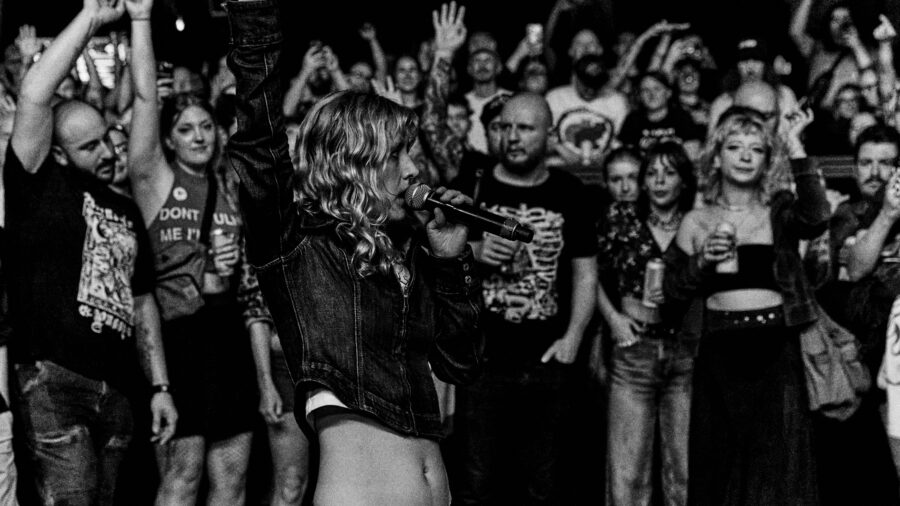
First Aid Kit
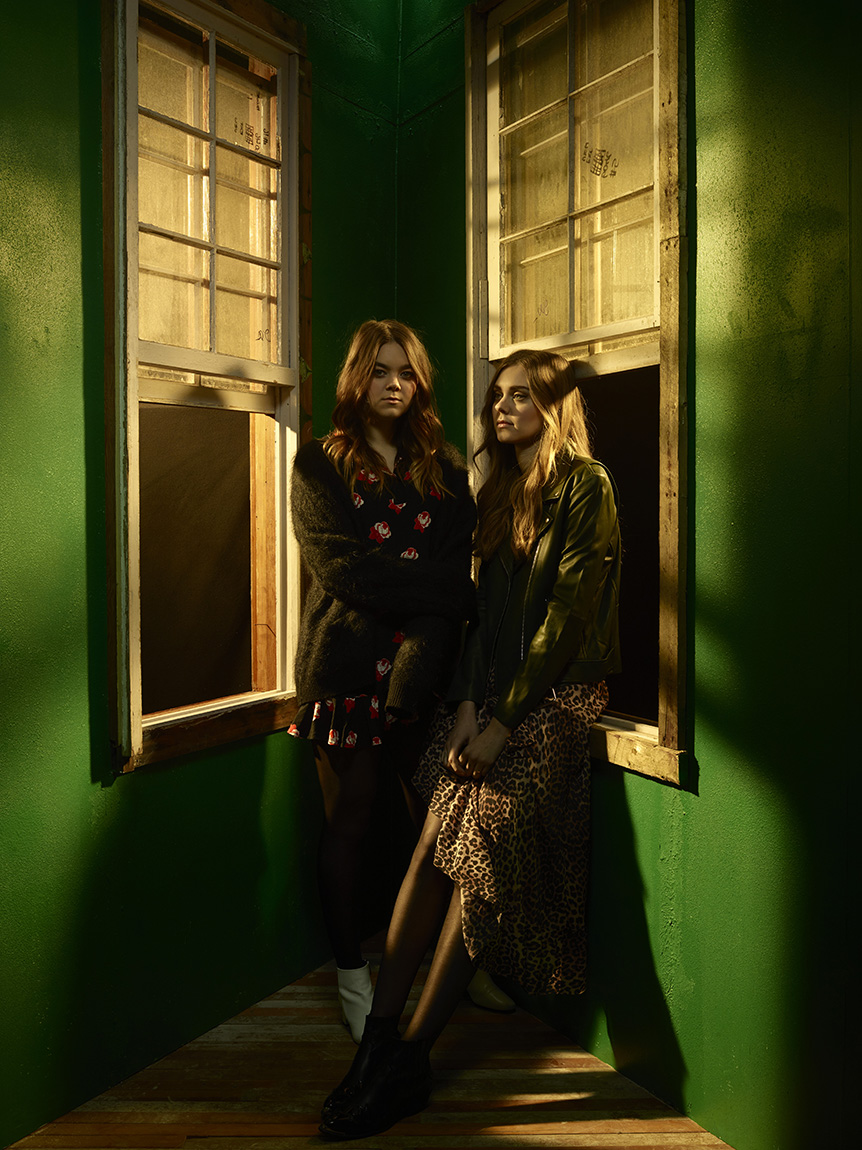
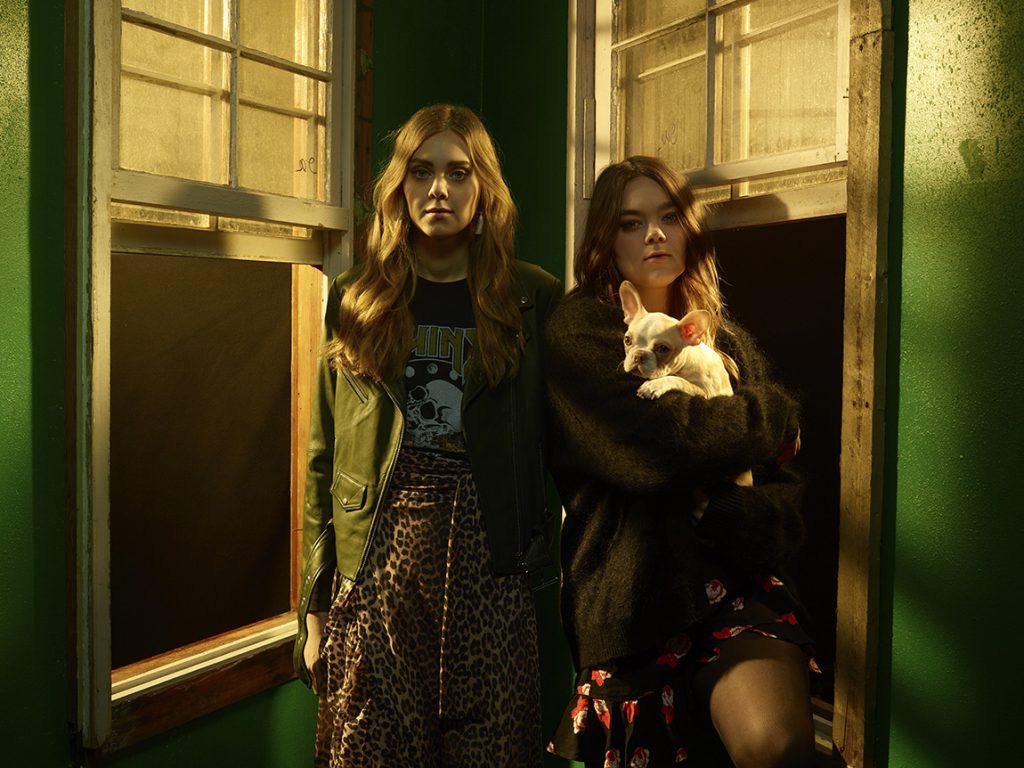

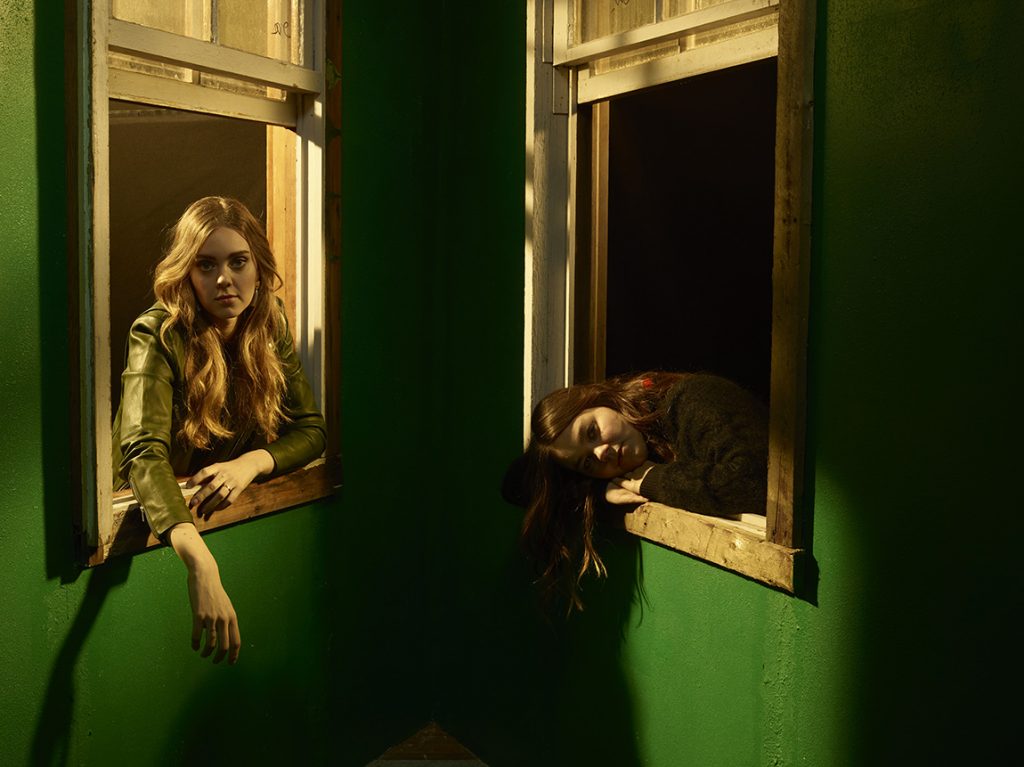

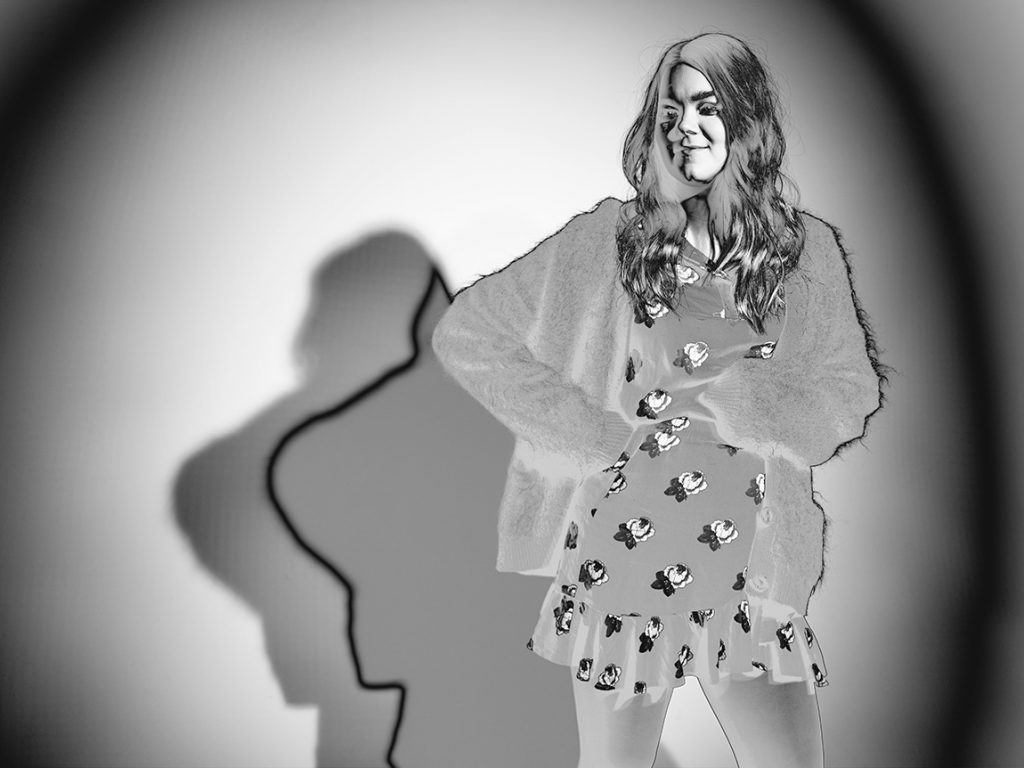
In the ten years since Swedish sisters Klara and Johanna Söderberg started First Aid Kit, they have been going non-stop. The indie-folk duo got their start when their cover of Fleet Foxes’ “Tiger Mountain Peasant Song” went viral, and have since released four albums, won five Swedish Grammis awards, and brought two of their idols to tears on live television.
Following a brief hiatus, and four years after their last record, Stay Gold, First Aid Kit is back with Ruins, a raw account of losing love and finding yourself. In the middle of a North American tour, Georgie talked to Klara and Johanna about the new album and what brought them to Ruins.
G—You’ve said in past interviews that Stay Gold was a more put-together, polished kind of album, and Ruins is a lot rawer. What caused that shift?
JS—The production of Stay Gold is very lush and elegant, and I think that’s what we wanted at the time. But we started longing for this rawness, this almost lo-fi aspect that we had on our first records. [For Ruins]…our attitude was that everything doesn’t have to be perfect. If we sing a bum note or there’s a little crack in the voice, let’s just embrace that because that’s the beauty of music. I think it brings you closer to the listener when you feel like there’s more at stake. Today you can auto-tune everything, and re-record a song a million times, but does it really make it better? I think there’s something magical about the first few takes. And that’s what we wanted with Ruins.
G—Does that change in sound resonate through the content as well?
JS—The lyrics are more direct than the past records, and they’re darker, and fatter, and I think that affected the sound as well. I don’t think we realized how sad it was until it was done, and we got reviews and responses from other journalists, because it’s hard when you’re in it to get the full perspective. Now that we listen to it, we can listen to a lot of the themes of loneliness, and questioning yourself and who you are and your identity. It’s very dramatic.
G—What brought about that darker, fatter content?
KS—I was in a long relationship, and it ended. I was very young when it started, and I feel like I kind of grew up in that time and just had to kind of re-figure my life out—as you do when you’re very devoted to a person and it doesn’t end up working out. And for me it was the first time when my heart truly changed after heartbreak. I had so many questions and so many things that I was going through, and it just ended up being material for a whole record.
G—And you both took a break from the band as well.
JS—Yeah. We were very exhausted from touring—having toured all our lives since we were teenagers—and I think it had kind of hurt my relationship with Klara. We took it too far, and we ended up lying on the floor of a venue crying and arguing, and that’s kind of when we told ourselves we had to stop. So we took a break from each other. Klara lived in England and I lived in Stockholm for about six months, and we told ourselves we didn’t have to write songs, or listen to music or do anything band-related. That was very important to us because I feel like we both lost our identities as people outside of the band. It was always about First Aid Kit all the time, and I was really anxious because I felt like if the band failed, then I have nothing—my whole life is going to end. I got really restless and kind of depressed after touring, being so used to that life, so I think that’s in the record, too—a lot of loneliness and isolation. But I feel now—I think both Klara and I feel—that we are so much stronger as individuals and that we have a base, and a home, and we feel loved in a broader sense than just First Aid Kit.
G—It’s amazing how open and willing you both are to talk about what you’re going through. Is anything off-limits when you’re writing?
JS—We don’t want to be too specific about people. I think that’s just being rude, and it’s not really about that anyway. It’s about the more general emotion. So there are some things that we edit out. I mean, we’re extremely honest as people. We’re very transparent. So [being honest] is not something that we decide. That’s how we are and that’s how it’s always been.
KS—It’s also the only way that I feel that it’s meaningful to me. If I don’t feel something when I’m writing it, then why should I do it? It needs to come from a real place. And that’s kind of a vulnerable position, but then when you share something like that and it resonates with people it just means so much more than if it’s something that you’re not that invested in.
G—In addition to being so open personally on your records, you’ve touched on political issues like sexual violence in your song, “You are the Problem Here”. Do you feel a sense of responsibility to speak about issues like these?
KS—It’s not a responsibility. It’s just feeling like this is too important to ignore. It just feels urgent, and necessary—like, how could we not talk about this when it means so much to us? I personally feel better when I get to actually talk about these things and share my thoughts. So when we put out “You are the Problem Here”, and when we sing it live every night, I get release from just singing it and being angry about it and getting to express that and talk about it. I feel like something is being done even if it’s a tiny little thing. It’s still something.
G—So, maybe less of a political statement, and more just expressing yourself?
KS— Yeah, I don’t necessarily think it’s going to change anything. But if it changes one person’s point of view, or if they gain some strength from the song, or just feel like there’s someone there to listen, then the song has a reason to exist.