Dear Rouge
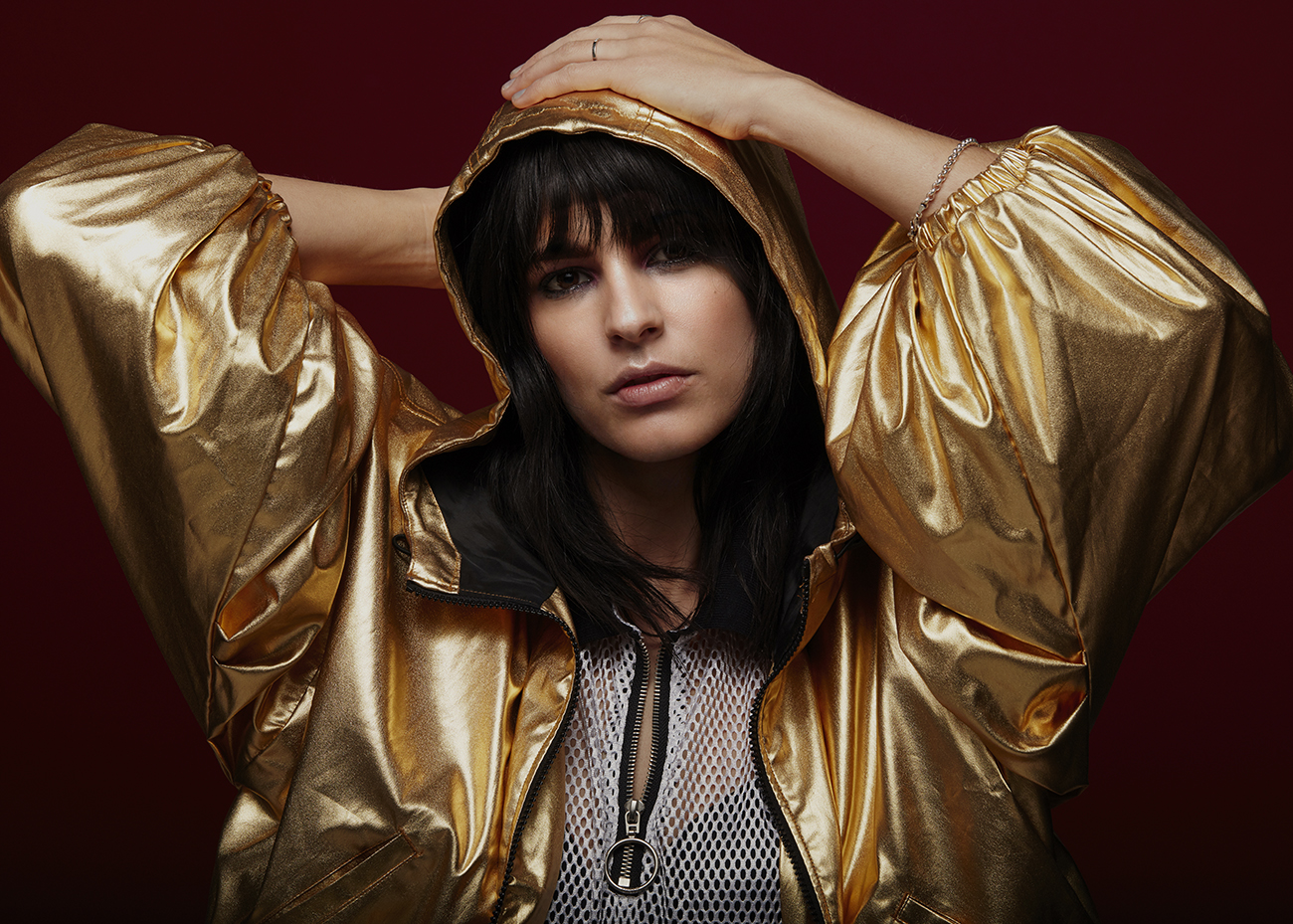
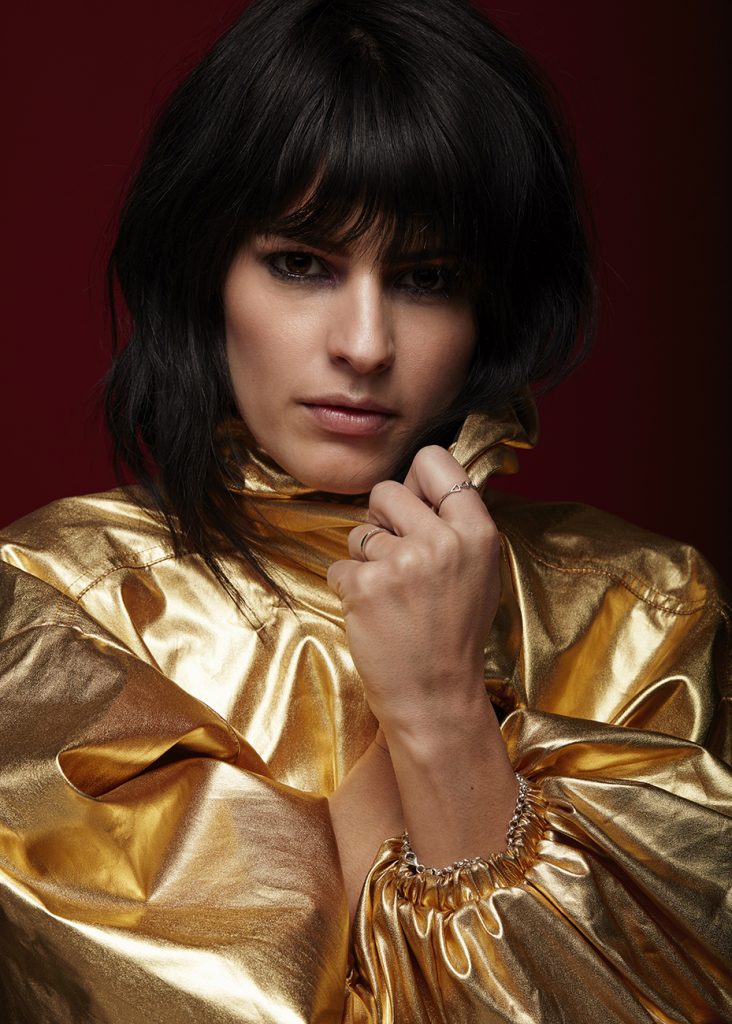
A few years ago, Danielle McTaggart was ready to throw in the towel on her music career. Now she and her husband, Drew, make up the powerhouse duo known as Dear Rouge and have two full-length albums and a Juno to their name. Known for their hook-driven tracks—and being “the nicest couple in Canadian music”—Dear Rouge just dropped their sophomore LP, Phases. The record recounts a season of emotional extremes for the couple, including winning the 2016 Juno for Breakthrough Group of the Year, and losing a loved one.
We caught up with Danielle over the phone to talk about finding joy in music again, and the personal and public significance of Phases.
G—On your website, you describe your style as “sinewy, hook-driven indie rock”. Where did that particular style evolve from?
DM—I was always very into hook-y music with beautiful melodies. I grew up listening to The Carpenters and they have beautiful melodic parts, but I also always loved harder music and really rock-driven music. Bands like Metric or Yeah Yeah Yeahs or St. Vincent were hugely motivating for me, and I loved that these frontwomen were powerhouses. They’re very confident and trying to push the boundaries while still being artistic and having beautiful melodies.
G—Let’s talk a bit about the new album. Phases came out earlier this year, and it’s your sophomore LP. How did your experience differ between the first and second albums?
DM—[With the first album] I was actually at a point in my life where I was feeling like I shouldn’t do [music] anymore, like I wasn’t good enough to do it. I had some real downer situations where it just wasn’t working out, and I started to feel like a jaded musician. Then I met Drew and we started doing it for fun. Basically when we first started Dear Rouge it was literally just because I was trying to find the joy in making music again.
G—And with Phases?
DM—Phases felt like, ‘Now it happened, I get to do what I like doing, and I get to be inspired every day.’ But now it’s like, ‘How can I be the best I can be?’ And that’s a lot tougher. To go from good to great and keep people’s interest is a lot harder to do. You just try to keep moving forward and be true to yourself and shove out all of the voices that are telling you what you should be, and just be what you are. Being better at being you is always the challenge.
G—I know there was a lot going on for you guys while you were making this album, both exciting things for the band but also dealing with the loss of Drew’s cousin. How did going through all of those things side-by-side make the album into what it is?
DM—We kind of struggle with the name of our album being Phases, because it’s so broad. We all obviously have phases—it’s a human thing. But we’ve had so many random experiences through this journey that Phases made sense for us. Because of losing a family member and also having all of these beautiful dream-come-true experiences happening at the same time, it was too much of a push and pull that we couldn’t ignore it. We would feel very happy one day but then the next day feel so shitty. And we didn’t want the album to just have one emotion because that’s not what happens to us.
G—I heard you mention in another interview that Phases is a deeper album.
DM—Yeah. It’s scary to be vulnerable and I’m learning that more and more. But that’s what artistry is about—being vulnerable with your life and experiences. I feel like the people that impact us the most are the ones that are the most true to sharing the struggle. That’s what we connect with as humans. It’s been cool to talk about real life, and even as we’re having this conversation I’m feeling emotional about it because it’s your heart and soul you’re putting out there to people, and hopefully that connects us together. It’s just such a beautiful experience when you are playing a show and people are singing along and it’s something that meant something to you.
G—Do you feel like the album itself has a kind of a message, whether that’s a message to the audience or even to you and Drew?
DM—We’ve been saying to all our fans during “Stolen Days”—which is about our cousin passing, and is probably the deepest part of the album—that whoever you are, whatever you’ve been through, you are loved and you are important. I feel like through life that’s what we’re all searching for—that need to feel loved and valued and important. What we’re trying to show is that there are moments we don’t feel that, but that’s what we’re searching for. Or there are moments when we do feel that, and that’s a beautiful thing.
G—That’s really cool in relation to what you said before about your own experience of not feeling particularly good at what you were doing. This album comes back to you.
DM—Yeah! Right, awesome. It’s personal, but then it’s broad.
G—Speaking of “Stolen Days”, it’s interesting because it’s kind of upbeat and hopeful for a song about losing a loved one. And with lines like, “We’ve got our ways to go / into a fate unknown,” and then, “Are we all thrown into the sun?” you’re kind of journeying through the questions and maybe the answers of life and loss.
DM—I think it’s cool that you put it that way, because it feels like a journey. And the music, I guess, we didn’t want it to be sad. Because in the end it’s just what we all have to go through. And the question of “Why are we here? What does it all mean?”—sometimes I think asking the question is more powerful than telling someone, “You’re important.” It’s more important to ask them, “What are you here for? What’s your story?”