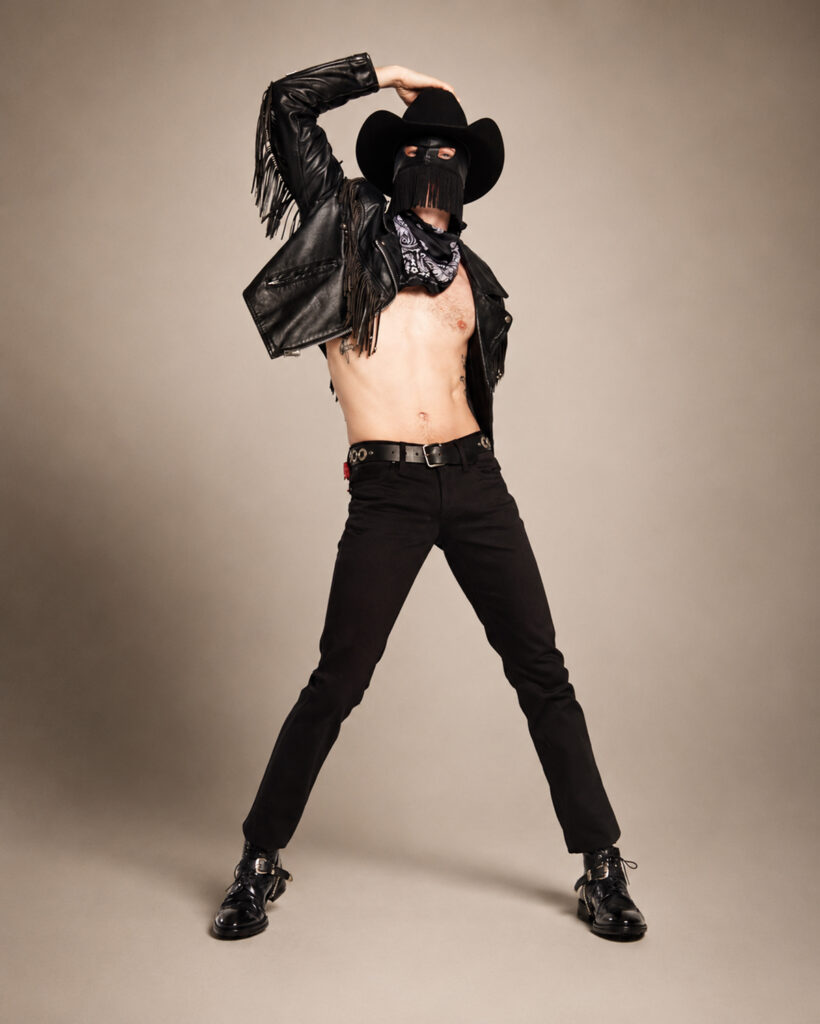
Orville Peck
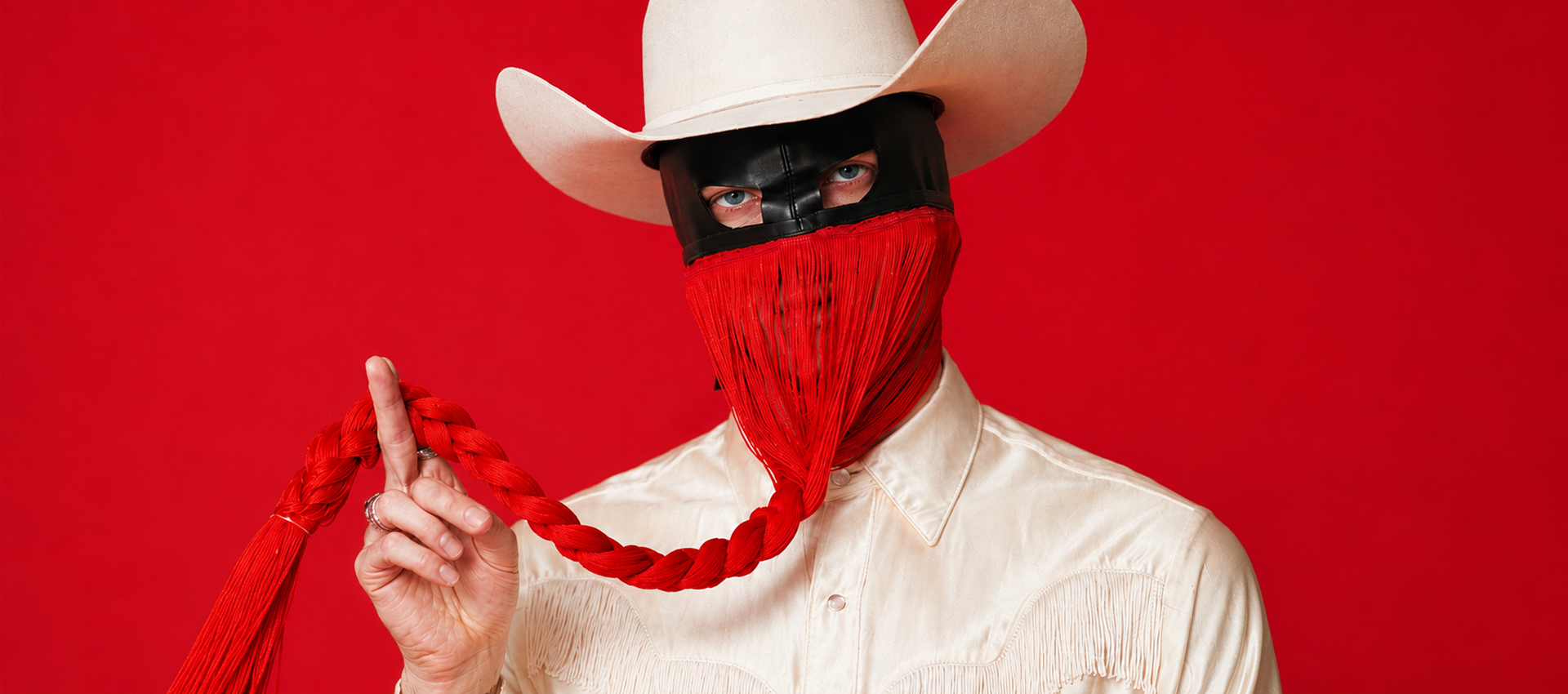
Orville Peck didn’t arrive, he descended. Draped in fringe, hidden behind a tasseled mask, a figure conjured from the dust of Americana, wearing it entirely on his own terms.
His debut album, Pony, doesn’t announce its politics. It doesn’t need to. The longing in these songs for love, for belonging, for somewhere to land is inherently human but also distinctively his. That tension is exactly where Pony lives and Peck’s presence as a queer artist inside a genre that has rarely made space for that kind of honesty is not incidental. It’s the whole point.

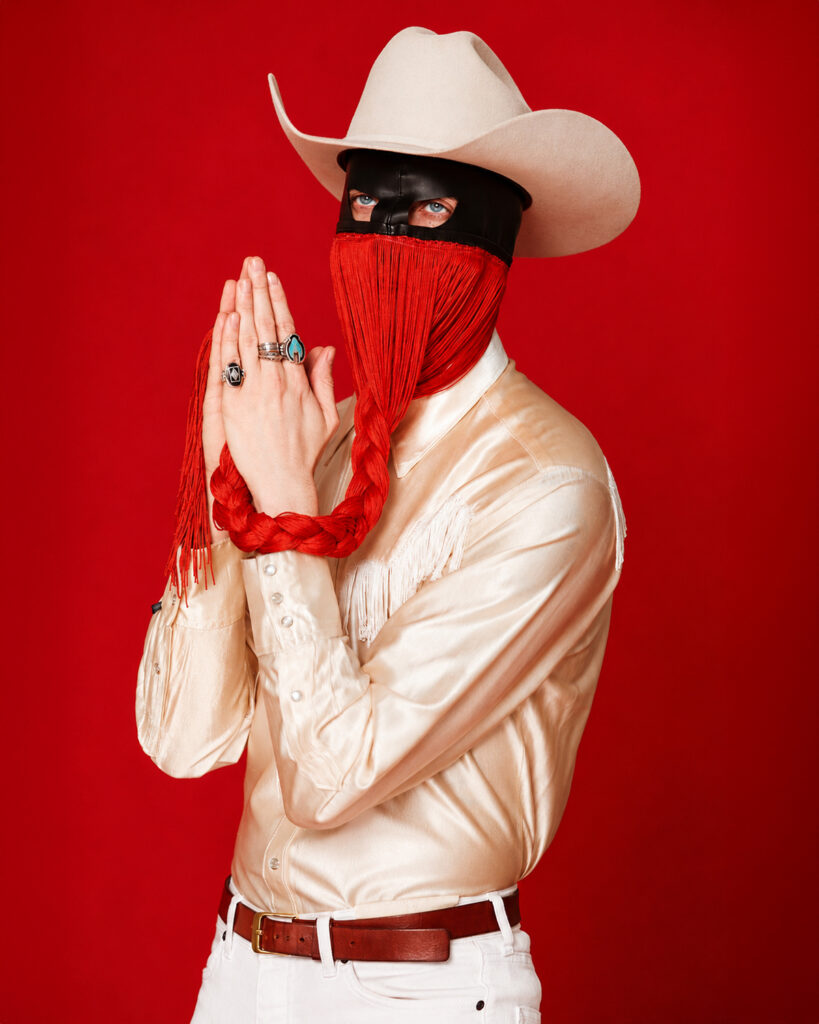
None of it would matter without the voice. Roy Orbison’s grief, filtered through something darker and more cinematic, nowhere more apparent than on “Dead of Night,” where Peck’s baritone settles into an ache that feels both inherited and open-wounded.
Pony arrives at a moment when country music’s walls are showing cracks. There’s a quiet but unmistakable shift in who gets to wear the cowboy hat, who gets to sing about heartbreak without apology and who gets to be the outlaw. Peck didn’t start that conversation but he may be its most necessary new voice.
Pony is out now on Sub Pop and Royal Mountain Records.