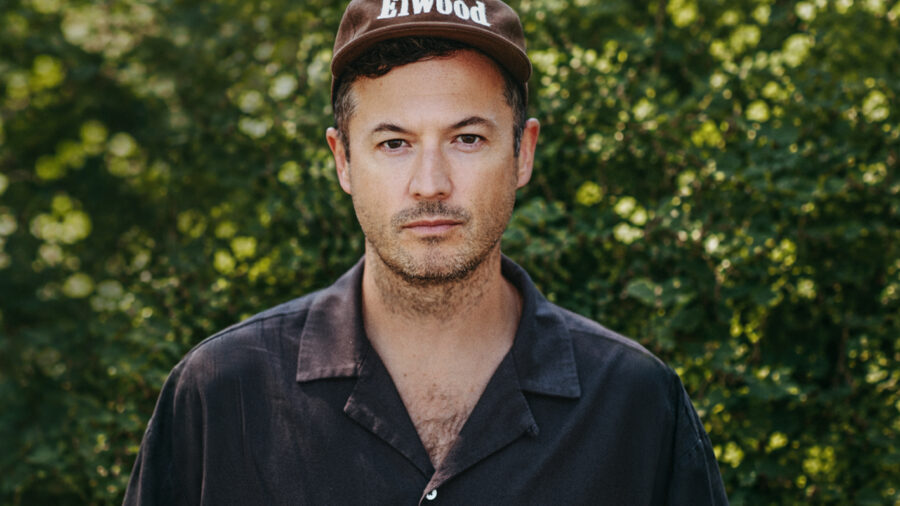
Jazz Cartier
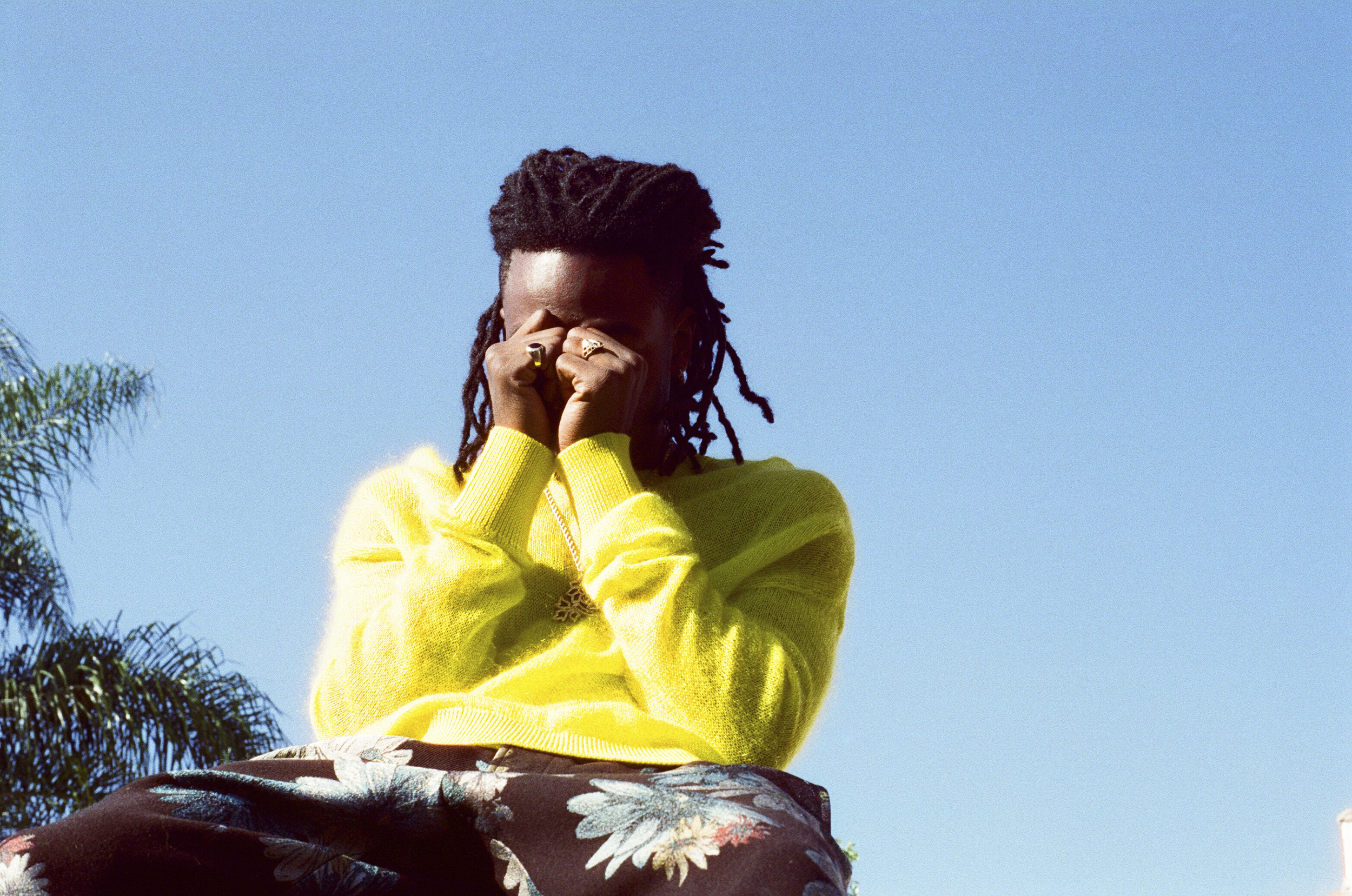
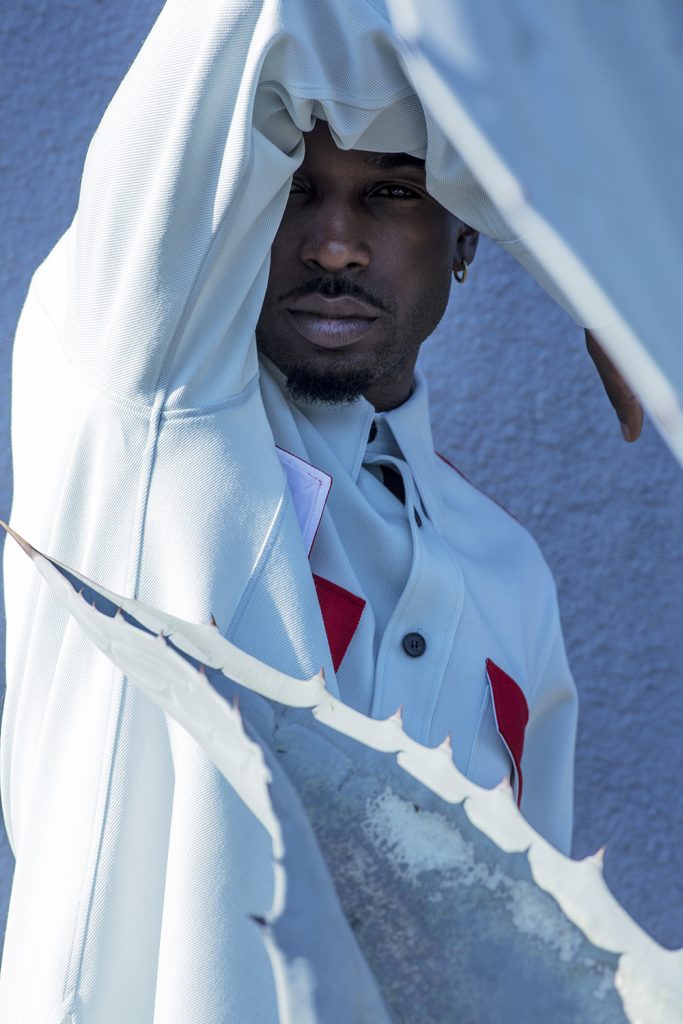
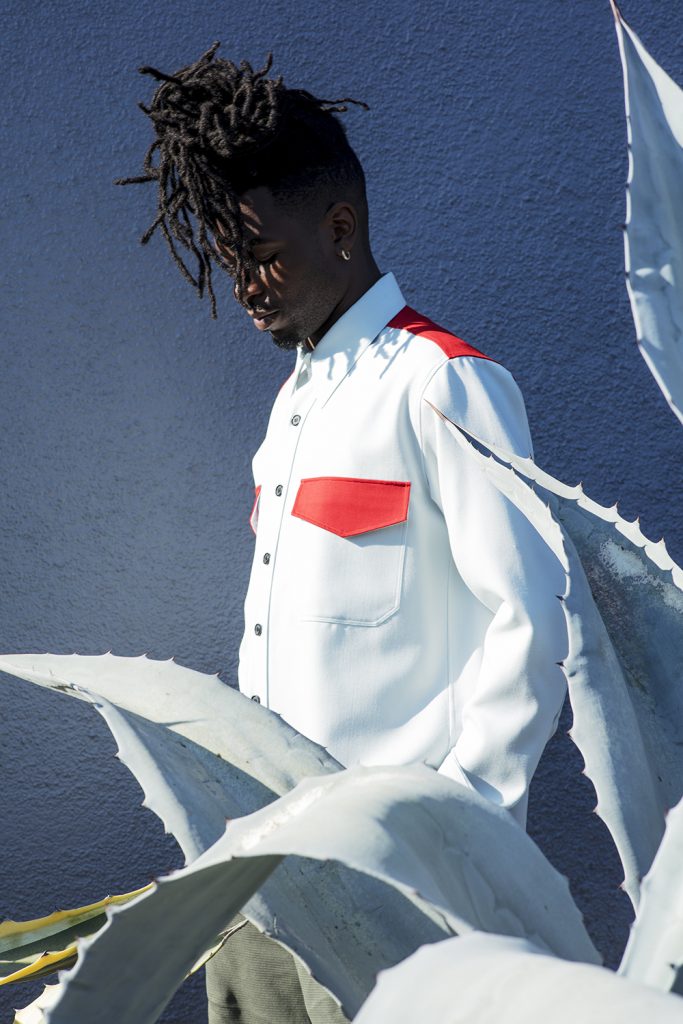
The meaning of Jazz Cartier’s Fleurever is rooted in duality. In the two years since his sophomore mixtape, Hotel Paranoia, the artist has had to “[battle] the balances of love and money, risks and rewards, right and wrong, or living and dying”, alongside coming to terms with the throes of wealth and fame. Subsequently Fleurever—or, as he calls it, his “third project”—explores Cartier’s personal growth in the years following. With his newfound maturity in tow, Toronto’s rising rap star is on course to start a music revolution—well, that’s the idea anyway.
Georgie caught up with Cartier to talk about gratitude, the rapper’s personal transformation, and the driving force behind Fleurever.
G—Can you tell us a bit about your latest album Fleurever and the inspiration behind it?
JC—Most of the inspiration came from growth, and a bit from my departure from Toronto. A lot of the record was made in my last days in Toronto, and just having that cloud over my head and knowing that I’d be leaving soon—it was more so showing my affection for the city that pretty much shaped my sound.
G—Did you have a vision in mind when you started writing this album?
JC—For the most part Fleurever is just myself and my beginning stages of dealing with duality. The biggest thing I wanted to get across was that I’m maturing as an artist and as a person, and anybody who’s watched me through my journey can appreciate that.
G—I see that a lot in “Soul Searcher”, which is a really cool, self-reflective track. I’m interested to know why you chose it as the first track on the album?
JC—If anybody was waiting for this project, or if you’re a new Cartier fan or somebody that just casually pressed play, and you didn’t listen to the rest of the album but there was one song you listened to it was going to be “Soul Searcher”. I feel like it’s a strong representation of me as an artist and myself as a man.
G—I kind of saw it as a kind of bookend for the album. Does the track kind of sum up what you’re trying to say in Fleurever?
JC—For the most part yeah. It was like a prologue. That’s how I envisioned it.
G—I really like the lyric that you finish with in that song, “I must’ve fucked up a hundred times, blamin’ the liquor to justify / Everything that wasn’t going right in my broken life / That’s Fleurever”. Does this album mark a transformation for you?
JC—Yeah, it definitely does. I’m definitely more aware of my actions than I was previously. A lot of things people go through in life, you don’t realize, you just sort of build up little things over time. And the way that we are, and the things that we do, and the reasons we behave the way that we do—it all stems from something happening. And I was just coming to a realization that I’m not perfect. I am a fuckup, and I need to find ways to escape this bubble that I’m in—by my many vices—and that’s not the mature way to deal with things.
G—What do you think brought you to that realization?
JC—Understanding that cause and effect is a real thing. People can be really affected by the little things that you do, and a lot of people these days are selfish—I myself have had selfish tendencies. This is just a general thing I’ve noticed with people but also mostly within myself.
G—You mentioned that the driving force behind Fleurever was duality. What dualities have you dealt with in your life or even in the past couple years that inspired this album?
JC—I’m not really sure how to explain the whole duality thing, it just comes with it. Like you start to become [busier], and your friends start seeing that you have less time for them, and then you start penalizing yourself for working towards your dreams. And that’s not healthy. It’s little stuff like that. It’s like the more money you have, the more you want to do for people, but people don’t want to do the same for you. You get as much as you give, but really you don’t because not everybody has your best interest in mind. And you really start to see people’s true colours, which is the most disheartening part of the whole process.
G—How do you feel Fleurever compares to Hotel Paranoia in terms of musicality and themes?
JC—They’re both different. I really feel like [with] Hotel Paranoia I was in a tense place—not tense, but I felt the weight of the world on me, as opposed to now. I was just dealing with a lot of unhealthy changes. The music was good, but I just felt like this time around my conscience is just a lot more clear.
G—I heard you say that Hotel Paranoia and Marauding in Paradise were more angsty, and that Fleurever is more joyful.
JC—My approach with those first two projects was just, like, serious. I was in the studio, I was writing, I was a lot more serious. But this time around I wanted to have a lot more fun, and get things off my chest but also just discover a new side of my artistry and not take things so seriously.
G—You refer to wealth quite a lot on the album. In the last couple lines of the chorus in “Gliss” you say, “All I wanted was the money / Who would’ve thought it made me rich?”. Does it surprise you that music made you money?
JC—Yeah, definitely. It still surprises me to this day that I’m able to do what I love and get paid for it because there was a time I was just a kid writing rap in my books and now people are paying to see me at shows. I’m just forever grateful for it.
G—How does the music you make compare to the music you listened to growing up? What have you borrowed from old school hip hop or other genres, and what have you brought that’s totally your own?
JC—All the music I listened to growing up had a lot of…there was depth to it. I feel like my music has that to certain degrees. I think my style is definitely new. [It’s] more of the times and more so melodic, but I still have that element of bars because at the end of the day I am a rapper, and I did start with rapping, and I think that’s still a strong element you should have. Rappers should think of themselves as Pokémon trainers.
G—Pokémon trainers? Can you expand on that?
JC—You can’t just have all fire Pokémon and expect to win. Somebody with water Pokémon will come in and kick you out. I have multiple talents as a person in various areas just so I’m prepared, ready for anything. I just made that up on the spot, but that’s pretty accurate. Shout out to me.
G—You’ve said in the past that your new material was going to “open up doors for artists in Toronto to be themselves”. In what way, would you say?
JC—In Toronto right now, people give us respect, but they don’t really give us the respect that we need. And I feel like it’ll take a full blown takeover from everybody—not just one style—so there’s more pieces getting added to the fire, as opposed to the same style that everyone else is doing.
G—Kind of like a music revolution.
JC—Yeah, facts.
G—What’s coming up for you this fall?
JC—Just a lot of shows, and also I’m going to keep recording and make new music. That’s where my head’s at right now. I don’t want people to wait another two years for a Jazz Cartier project.