Gallant

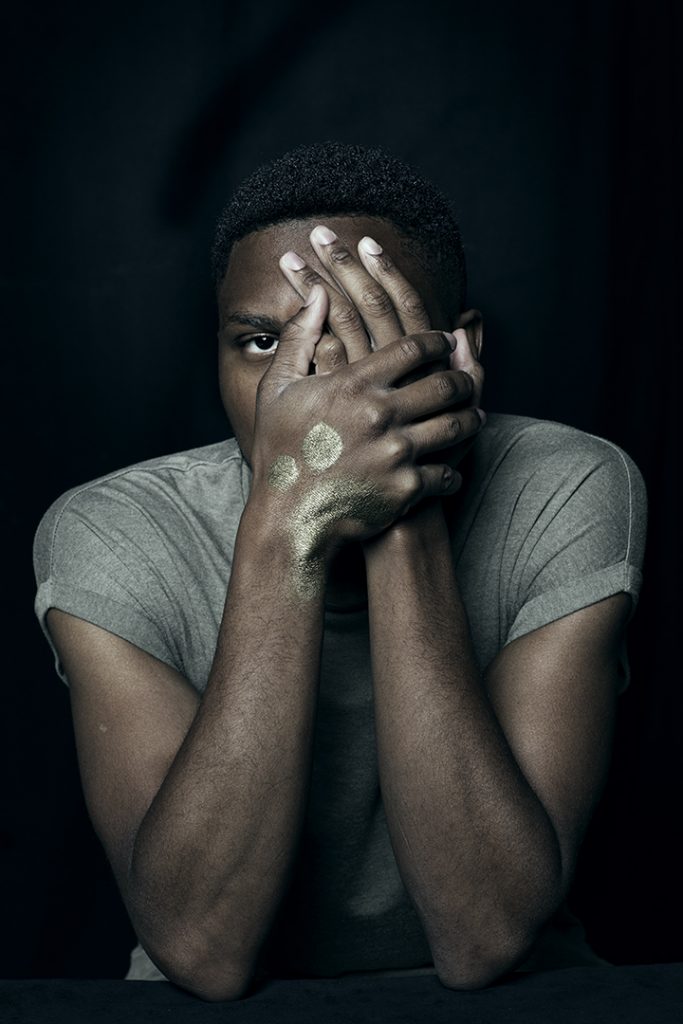
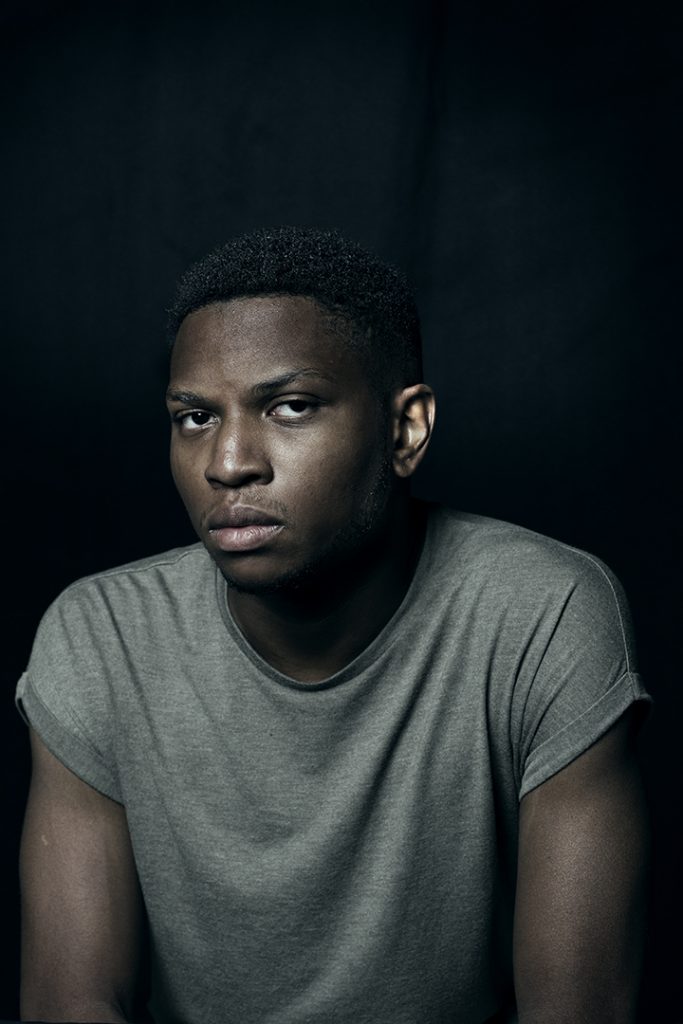
Since Christopher Gallant released his first full-length album, Ology, last April, artists ranging from Elton John to Skrillex have praised the dynamic LA-based singer.
Gallant, who simply goes by his last name, is solitary by nature and admits he has trouble writing with other artists. Along with disliking the feeling of having someone read over his shoulder, he is wary of becoming a caricature of himself in an attempt to impress his collaborators – to fulfill their ideas or expectations of who or what he is.
But Gallant aims to develop his craft even if it means working with others, especially if the likes of Elton John come calling. “I do really want to focus more on collaborating. I think it’ll be hard for me to create another album with something that pulls me apart from that act of being alone… but I do think there are tons of other capacities in which collaborating with people who have a very equal part could be really inspiring and motivating.”
Gallant also hesitates to work with others because his lyrics are so personal that he sometimes feels embarrassed by them. But having performed his songs for so long has boosted his confidence in showing his vulnerabilities. “I have been able to become more comfortable with things that I have been used to keeping inside… Being able to say a lot of these lyrics in front of a bunch of people watching is an exercise in being more confident and more comfortable and accepting every aspect of humanity.”
The impact Gallant’s surroundings have on him is clear. Claustrophobia permeates his brooding debut EP, Zebra, which he wrote during his time at New York University. Sunny, spacious Los Angeles gave rise to the vastly more vigorous Ology, on which he intimately wraps ‘80s and ‘90s R&B and rock with silky smooth, feather-light sheets of electronic tones and leaps to Olympian heights with an untouchable falsetto.
For an artist who is heavily influenced by his physical environment, it was imperative that Gallant learned to get comfortable with the stage. A performance like his stunningly animated spot on The Tonight Show last May can be mentally taxing for a self-described introvert, but Gallant says it only amps him up.
He has spoken at length about his transition from New York to LA, so when I broach the topic, his answers spring forth instantly. He has criticised New York’s culture of “blind ambition,” of aspiring musicians who fill every second of every day with “something meaningless.” What are some examples of such “meaningless” things? “People just loved to do meetings,” he snaps right away. I imagine him straightening up in his seat on the other end of the phone, poised to strike. “They loved to talk about meetings.” He encountered too many people who seemed exclusively focused on chasing success instead of creating anything that was personal or meaningful. “They weren’t really looking to build anything. They were just looking to have something. It’d be like going on Twitter and buying 10 million followers.”
Gallant is also quick to clarify his past implications that LA is less competitive, less cliquey, and home to more real, “true” people than New York. “I think LA is probably worse. But you can’t get a second to yourself in New York… You’ve given up your freedom, and you’re allowing other people to navigate you in this ant farm and this maze.”
Having grown up in the suburb of Columbia, Maryland, Gallant is accustomed to having personal space. LA’s sprawl offers him solitude whether at home or just a short drive away. Even the city’s notoriously clogged freeways provide him with time to meditate, transforming his vehicle into a Zen centre on wheels. “Even the act of getting in your car and driving every day is psychologically enough to start to put back together the pieces of your individuality.”
Gallant relocated to LA with his best friend from college, and many of Gallant’s friends from Maryland, whom he’d known for up to 20 years, had already been living there. “It was really easy for me to move there and make it a secondary home,” he says of his transition.
His music team grew more slowly than his social network though, but it grew naturally nonetheless as he gradually befriended people who worked in the industry. “Once I completely rejected the whole notion of music as a career, it seemed like it just started [for me].”
On Ology, Gallant delves deeply within himself to understand every emotion and reaction he’s had to his life experiences thus far. But four months following the album’s release, Gallant still has not arrived at any definitive answers. “It’s very experiential. I don’t know if I could even write a list, but I definitely feel the way I’ve changed. Everything feels a lot more exciting; I feel a lot more open. All my values seem to be more together than in the past. And that feeling alone is enough for me to keep going.”
Through deep introspection and by sticking to his convictions, Gallant now finds himself teetering on the brink of breakthrough success, confirming his values in the process.