Angel Haze
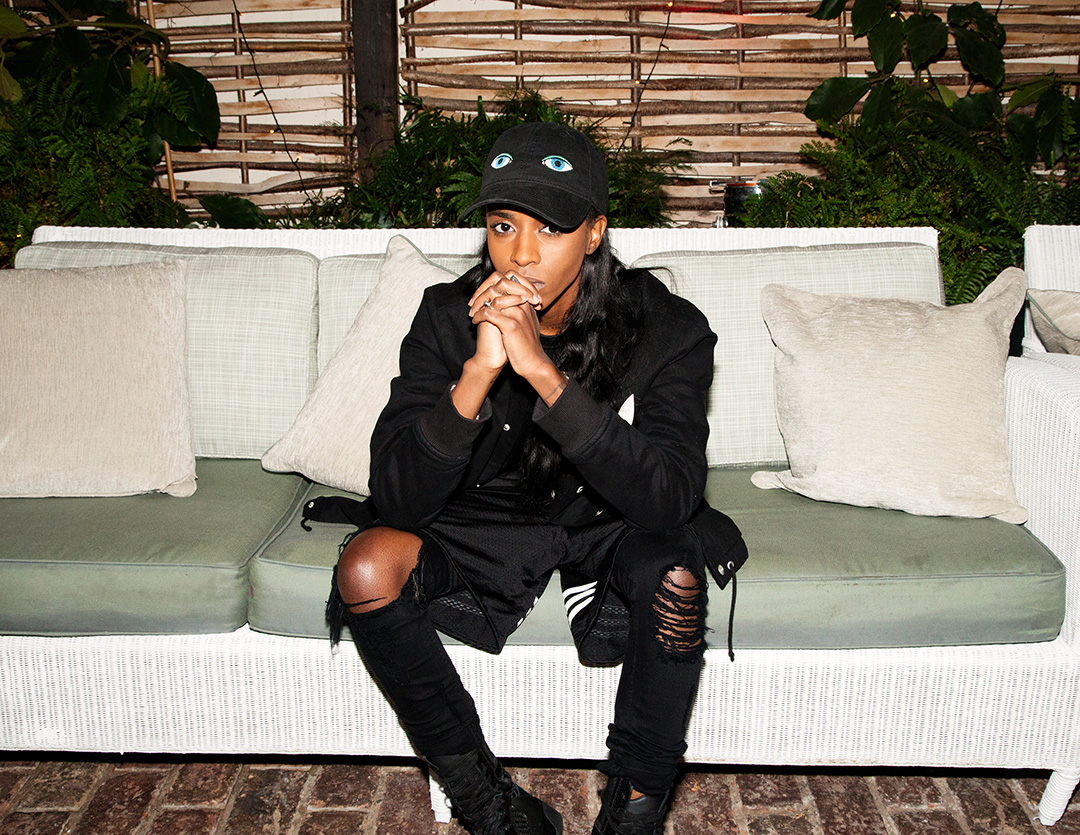
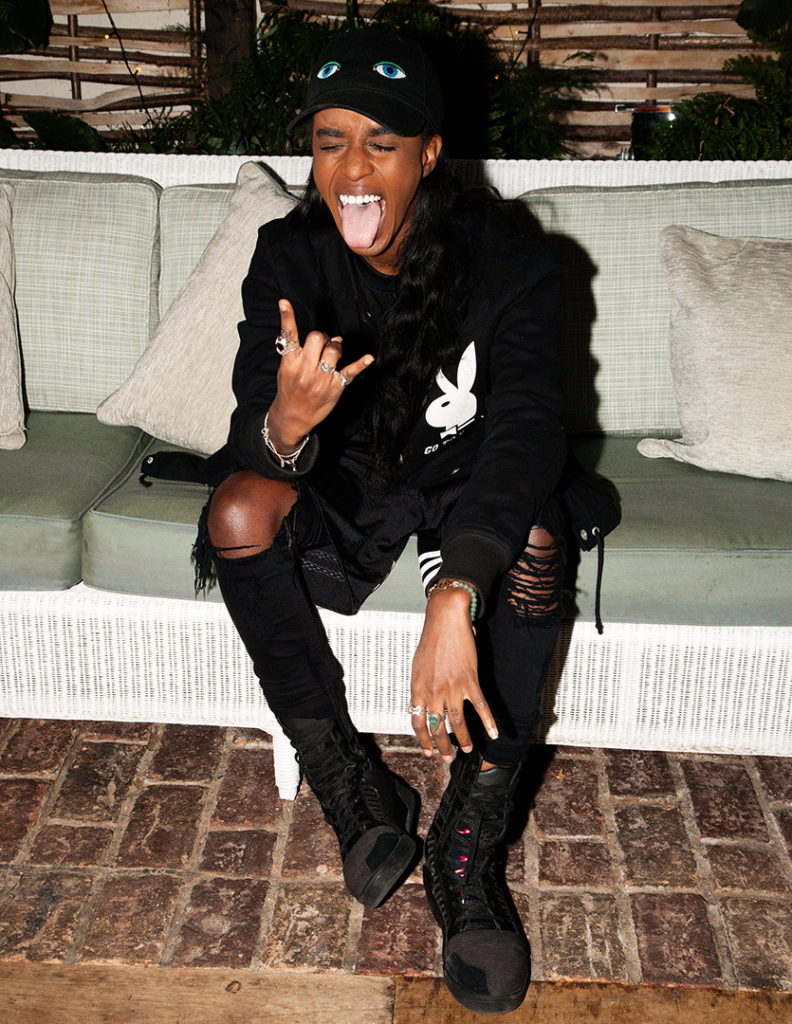
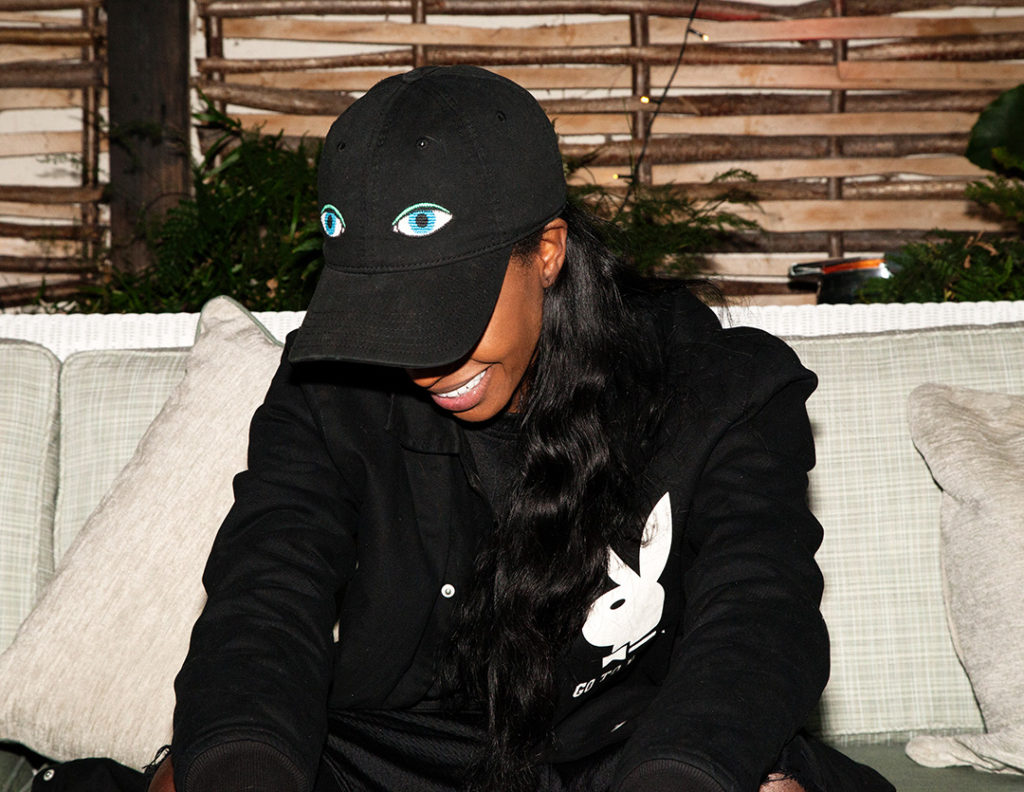
Angel Haze has lived a life that most people couldn’t imagine living, much less understand. The young artist was raised in the Greater Apostolic Faith, which she’d sooner refer to as a cult than a community. She was raped between the ages of seven and ten while living in an insular environment that frowned upon communication with the outside world, including music. When she was 16, her family broke free of the church’s rules and relocated to Brooklyn, New York. It was then that Haze discovered music for the first time.
“You can imagine not consuming something for such a long amount of time, and then feeling like a crazy, gluttonous hunger for it,” she says of her initial attraction to music. It wasn’t long before she decided to make it her career. In early mixtapes such as 2012’s Reservation and Classick, Haze confronts some of the sordid and desperate moments of her past, broaching topics like sexual abuse, depression, drug addiction and insecurities. She signed to Republic Records and released her debut album, Dirty Gold, in 2013, and then parted ways with the label in 2015 following a yearlong hiatus. Now, she’s recaptured control of her destiny, and has not only taken back her career, but also her health and happiness.
“I learned only in the past two years that music and life circumstances are for a reason. Everything I’ve ever gone through has shaped this path for me,” she says. “It feels like I’m starting a new life and turning over a new leaf, and being able to say, ‘Yeah, my past doesn’t define me.’ It created who I am now, and it helped me get to where I am, but it’s not where I’m going. I think it’s cool. I’m a lot more calm and patient… positive and optimistic about my life because of music.”
The creative process involved in Haze’s latest release, Back to the Woods, took advantage of her sound-to-colour synesthesia – a sensory condition in which affected individuals see colours upon hearing musical notes. The album was recorded in a dark space with colour strobes illuminating the walls; particular colours were chosen based on the palettes she perceived from the songs. Stylistically, Back to the Woods marks a return to the stripped-down sound Haze had when she first came into the industry. “The reason Back to the Woods is a lot different than Dirty Gold is that I had the opportunity and also the privilege of making it by myself, with my brother… The recording process is different because when I was with Universal and making Dirty Gold, there were a lot of other people involved,” she says. “I’m talking teams and teams, and flying me to Spain and doing this with this person and whatever, and it was more of a job. [Back to the Woods] was just about expression, and as clear and plain as I can put it, just expressing myself.”
Reflecting on her brief mentorship with Kanye West, Haze remarks: “Sometimes you get so caught up in thinking about what you need to do, what you’re supposed to do, or what people are expecting of you that you don’t do what you want… I played [Kanye] some stuff that I hadn’t played for anyone when Dirty Gold was out, and he was like, ‘Why aren’t you doing this? This shit is crazy!’ When he told me to do what I wanted to do, I basically did what I wanted to do – and here we have Back to the Woods.”
With a new outlook on her career, as well as a healthier state of mind, Haze is paving her way to an illustrious career – including a new label and the goal of releasing a new album and two mixtapes by the end of the year. With a confident tone, she concludes: “I think because I have my head screwed on so tight, that my future is the brightest it’s ever been. Artistically, I’ve got a vision for everything that I do, everything that I am.”