Twin Shadow
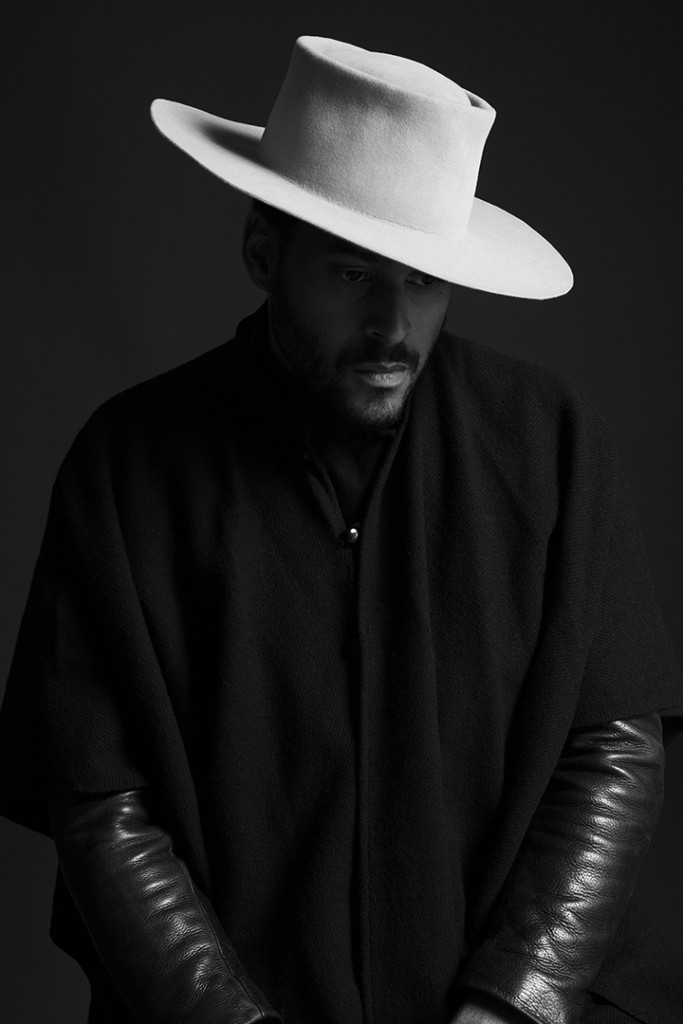
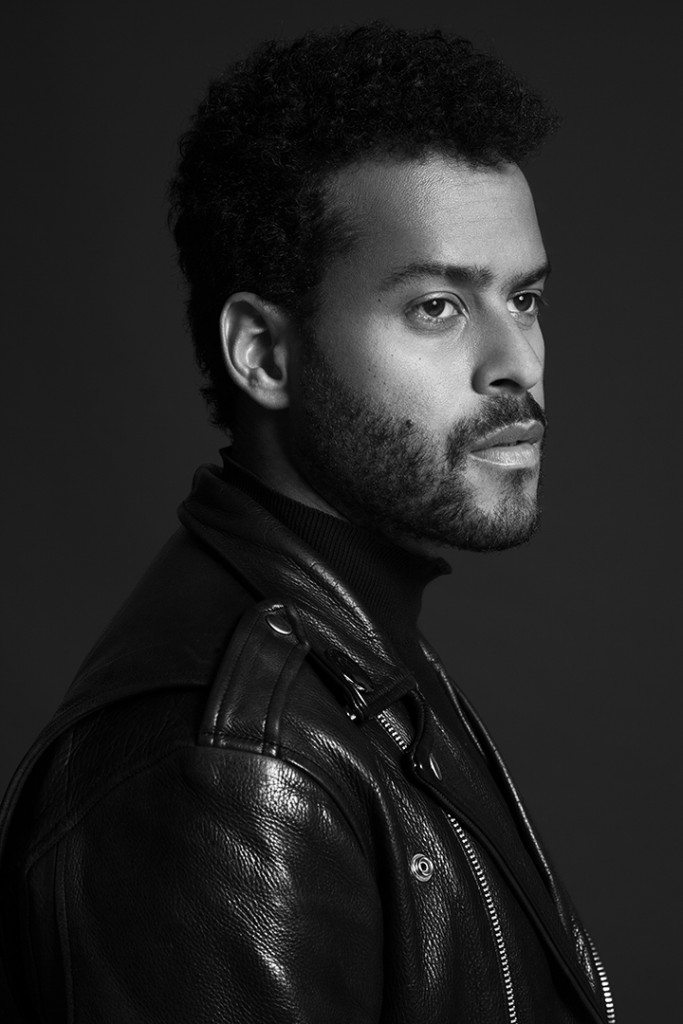
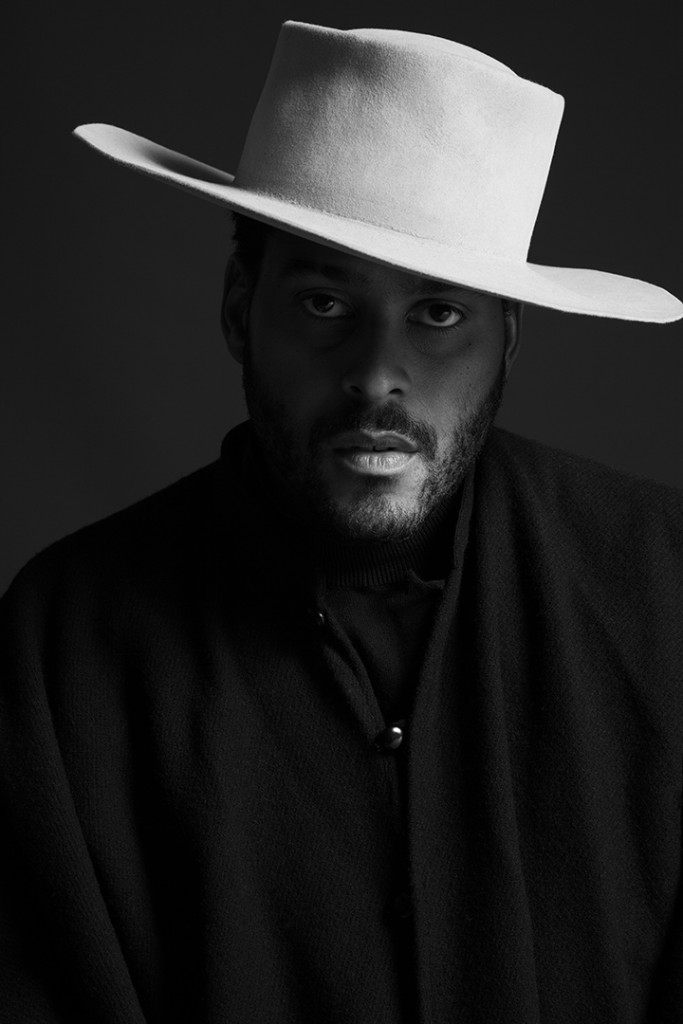
Could George Lewis Jr., the Dominican-born, Florida-raised man behind Twin Shadow, finally be ready to step out of the darkness and into the light? Following the release of what is arguably his most honest album to date, Eclipse, Lewis admits the last year has been one of both self-discovery and self-surrender. Now, with a more approachable sound, the backing of a major label, and a decidedly fresher outlook, the new Lewis is set to sing his way (sans guitar) to never-before-reached heights.

But getting here has been a journey of significant ups and downs for Lewis, whose first taste of success came with the 2010 release of Forget. In the couple of years that followed, a demanding tour schedule and a rise in popularity led to a slew of empty relationships, late nights partying and substance abuse. Lewis turned a corner in 2012, citing a more sober approach to recording Confess, but the years of overindulge – compounded with recent personal tragedies – caught up with him.
“I think I was in an emotional rut. I was looking at everything in a very cynical way,” says Lewis. “During the time leading up to the making of Eclipse, I experienced a lot of new relationships and the mending of old relationships. It gave me this new kind of hope, which I think is reflected on the record.”
Eclipse certainly marks a change in direction for Lewis, who bids farewell to the somewhat coded lyrics of bygone albums and ushers in a more direct approach to songwriting. The album takes listeners on an intimate journey, veering between the extreme highs and lows of love and heartbreak – or, as Lewis describes it, “…a lot of shadows at play, and a lot of lightness and darkness competing for space.”
Towering over soaring synths is Lewis’ signature croon, belting lyrics that reveal much about his own vulnerability – “Hey, hold on to me / Don’t say it’s the end of me/ I’m right here, I’m ready,” he emotionally declares on “I’m Ready”. Notably absent is Lewis’ guitar, perhaps in an effort to let his words do the talking, or maybe to more directly align with the club-driven sound of tracks like “Old Love/New Love”.
It’s also a glossier album than its predecessors, which many credit to Lewis’ recent surprise move to Warner Bros. from indie label 4AD. But Lewis is quick to note that Eclipse was written and recorded long before the switch – in fact, album promotions were already underway, along with a tour that was booked and subsequently cancelled while Lewis took time to reflect.
Talking about the change, Lewis says, “It was a very difficult decision for me. But it was something that in my heart I wanted. I was at a point where I wasn’t sure that people were really ready to go to bat for me. And I found that at Warner, so I’m excited about my new relationship.” He also speaks amicably about 4AD: “I had an amazing relationship with people at 4AD – and they still sell my records – so I hope that relationship continues.”
I like the word ‘eclipse’ because it implies a kind of epic event or a spectacle. This very simple thing happens – the moon blocking the sun – and for this brief moment things align and you have this spectacle.
Given Lewis’ state of flux in recent years, the name Eclipse is fraught with symbolism. Describing the thought-process behind the name, he says, “I like the word ‘eclipse’ because it implies a kind of epic event or a spectacle. This very simple thing happens – the moon blocking the sun – and for this brief moment things align and you have this spectacle.” For Lewis, this process of alignment occurred as he became more self-aware and began to re-establish loving relationships, all the while regaining the inner positivity he had lost.
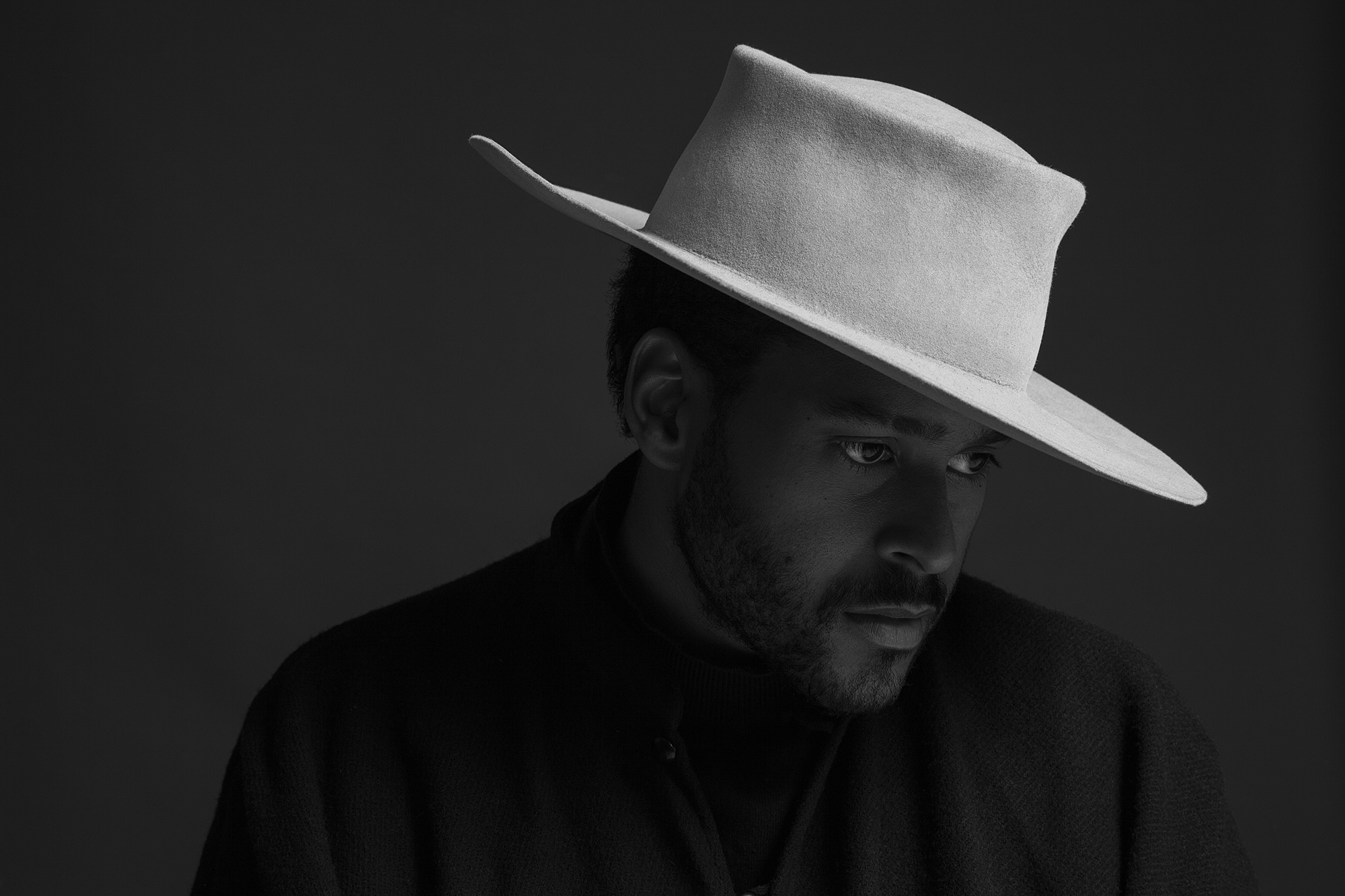
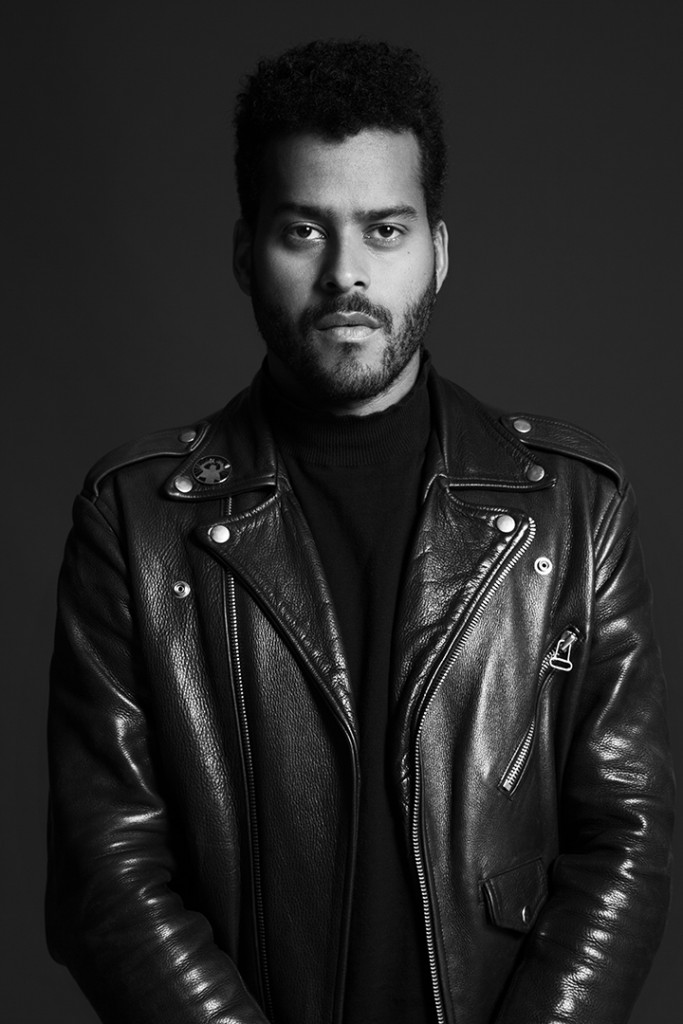
The name is also represented in the album’s artwork, with a cover that features an image of Lewis quite literally eclipsed in the shadows. The visual identity signifies a new creative approach for Lewis: “This is the first record where I actually started working on the artwork for the album before the music was even finished. I wanted it to come together as a kind of package, like the artwork was going to dictate as much to the music as the music was to the artwork.”
He elaborates: “We talked a lot about how the sound of this record was a little more black and white than some of the previous records which were very, very colourful. And we wanted to express that through images.”
In contrast to the video for “Turn Me Up”, which is black and white and heavy with shadows, Lewis’ soon-to-be-released video was shot in the daylight – another nod to the album’s interplay between light and dark. “We decided that we should only shoot with full sun instead of total darkness, but we’re still playing with shadows. We’re kind of limiting ourselves in a way so we can do as much as we can with very little.”
It’s been a year of reinvention and one of many trials and tribulations, but for Lewis music has remained a steadfast saving grace. He explains: “I think the practice of playing music is really important and really healthy. I wish I could do it every day – and in a way I do. That’s what I love about touring – nearly every single night you have this hour and a half where you just get to perform music, which is such a healing and beautiful thing.”
The idea of healing is one that strikes a chord for Lewis, particularly as it relates to his relationship with his father – who has bipolar disorder. “It’s taken me my whole lifetime to really understand it. It’s a very hard thing to deal with, but I think the more you know about it the more you can deal with it in a way that is productive and positive.” He talks about the stigma associated with mental illness, reflecting: “It’s so easy to write someone off as crazy. The more I think about the word ‘crazy’ the more I think about it as this really negative thing that boxes people up inside of one category.”
It’s an apt way of looking at things for someone who has openly expressed his disdain for fitting into a certain genre. “To me, music is about being able to let go of everything and letting go of what people expect from you in all types of situations – creatively, personally, emotionally. That is what making music is about. That’s why I do it.”
Lewis’ new sound may have him treading a fine line between indie and mainstream appeal, but this ambiguity doesn’t matter – certainly not to him, anyway. There is one thing that’s clear, however. And it’s that even in the shadows, Lewis’ potential shines brighter than ever before.