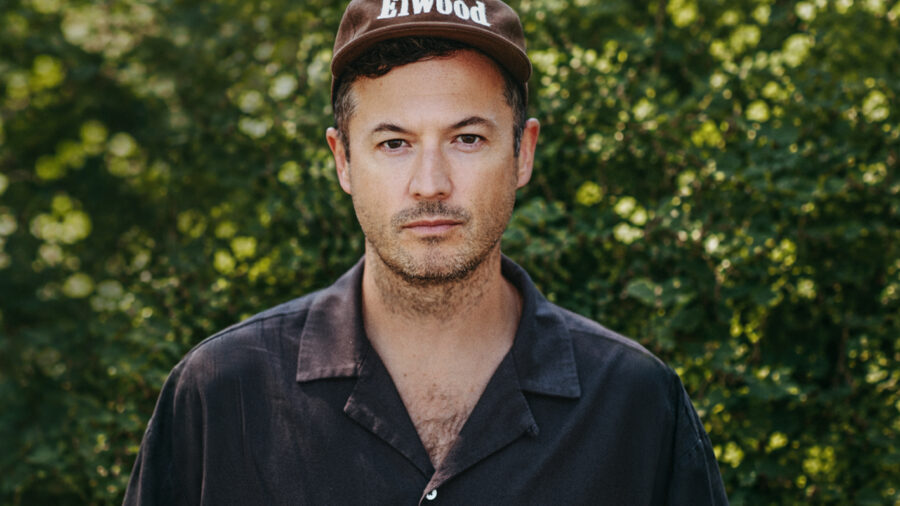
Mac Demarco
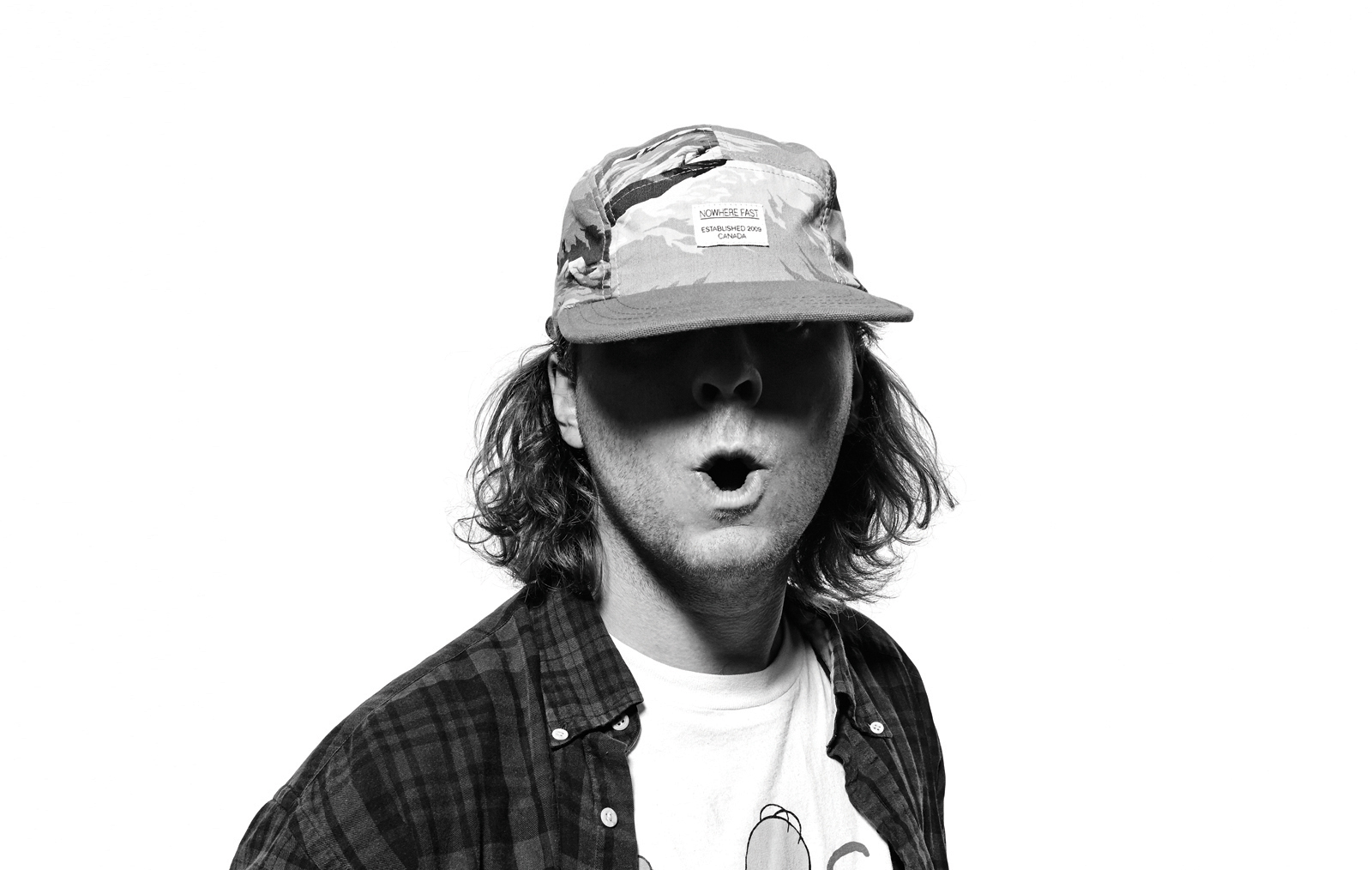
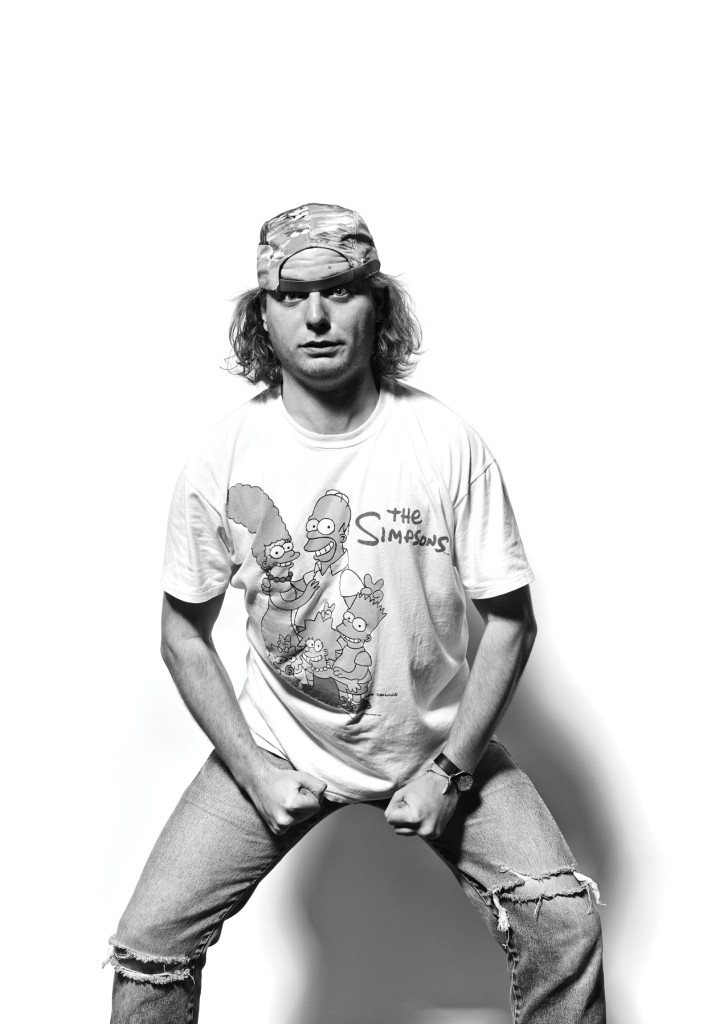
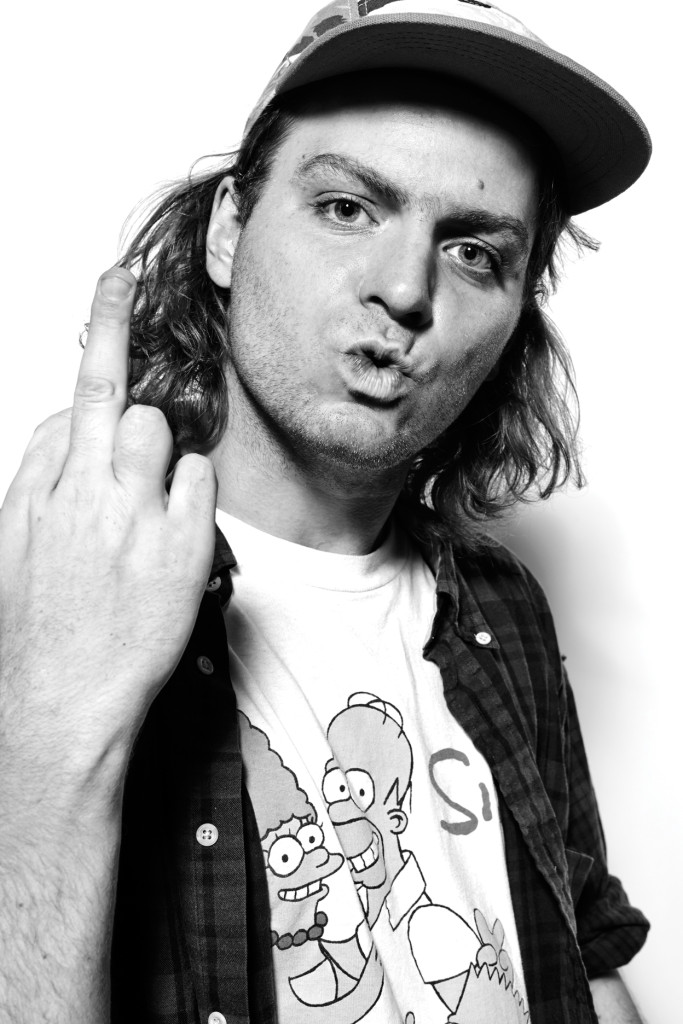
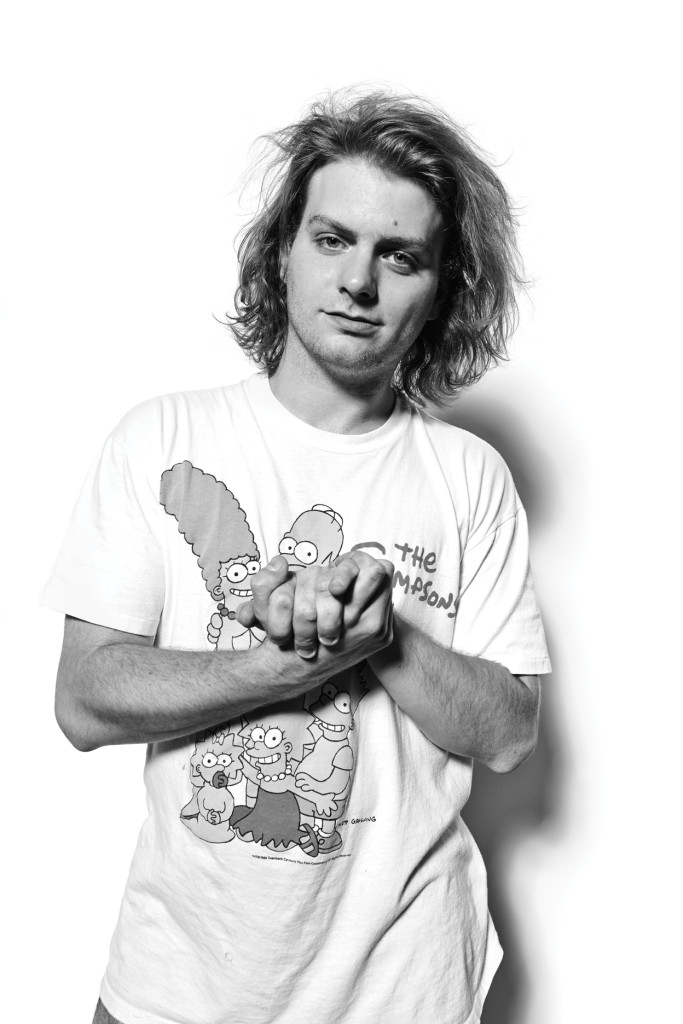
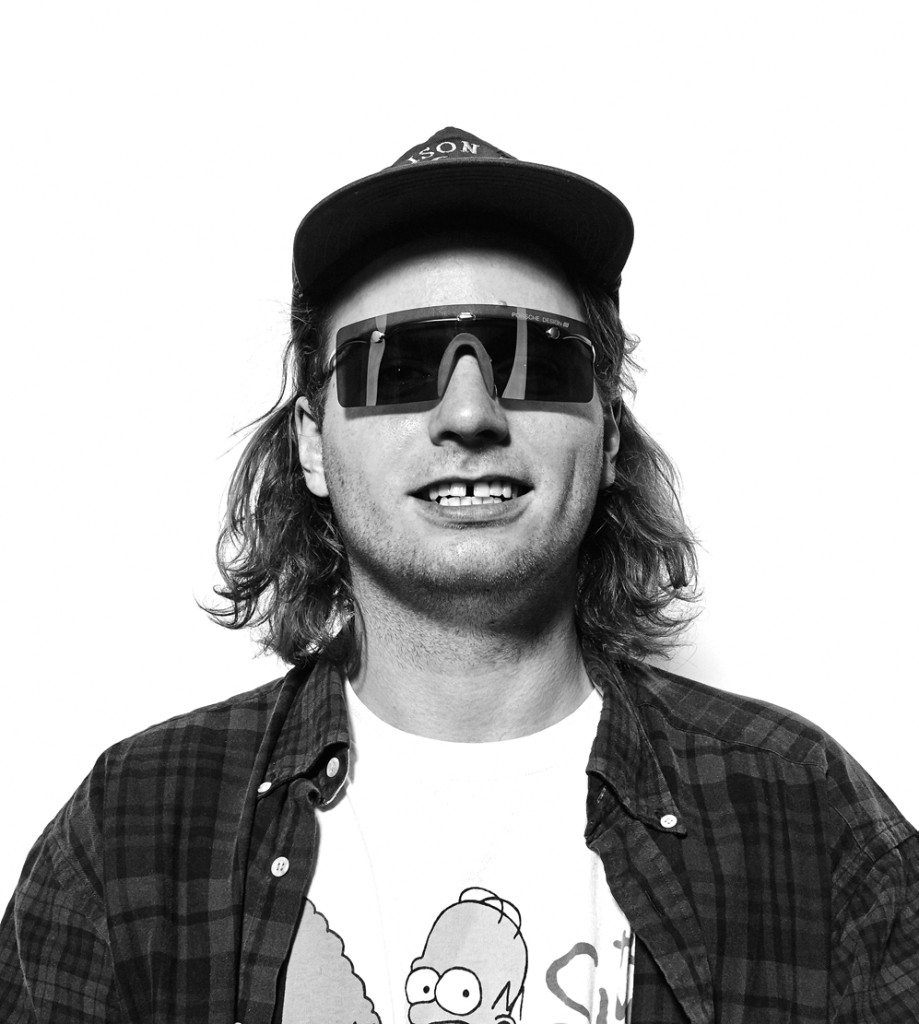
I like people to be confused, first and foremost.
Is Mac DeMarco a child of Edmonton? No.
While yes, we could unearth facts detailing his upbringing in our city’s limits the more poignant question is whether he is artistically a product of Edmonton.
The answer remains the same. No.
It’s not just his scattered geography (Brooklyn-based, via Montreal via Vancouver via Edmonton) or his constant tour schedule, it’s in his own words. When asked if he felt at home on a recent stop in Edmonton, in an expectedly non-committal answer, he shrugged, “No. Sort of. Not really.”
It’s the kind of answer that people and press have been leaping on to try and pin down a discernible identity for DeMarco. But it’s not a rejection of the city he grew up in; it’s actually our desire that The 780 has some claim over his talents and accomplishments. And furthermore, it’s a localized example of just how perplexing DeMarco has been for people to digest. By inching the Rubik’s cube of ‘who is he’ closer to completion, people may come to understand how such a non-descript, so-called “slacker” ascended through the music industry so casually.
At the beginning of 2011, DeMarco was a mostly-unknown Canadian artist, having found some success with his former Vancouver-based band, Makeout Videotape. It wasn’t until he moved to Montreal that he emerged as an artist to take notice of, recording and performing under his own name. His 2012 self-produced four song EP, Rock and Roll Nightclub, a slow and fuzzy endeavour, impressed the likes of Brooklyn-based indie label Captured Tracks, as well as online kingmakers like Pitchfork Media. Backed by Captured Tracks, 2012 also saw the release of his first full-length record, 2, which received both critical and commercial acclaim, and garnered speculation as to what type of music he actually plays, coining new terms such as “slacker wave” and his own creation: “jizz jazz.”
The intervening time between then and the release of his 2014 album, Salad Days, was spent on the road with his band, an assembly of musician friends he accumulated during his time in Edmonton and Montreal (guitarist Peter Sagar, drummer Joe McMurray and bassist Pierce McGarry). Salad Days, his best received release to date, earned him the cover of Canada’s Exclaim! Magazine, features in Rolling Stone and Vice Magazine. “I was in the Country edition of Rolling Stone,” DeMarco states. “That’s fucked up.”
The album’s reception is perhaps most notably exemplified by its inclusion on the Polaris Prize shortlist, a $30,000 battle royale between Canadian artists, rewarding who did our Country proudest with their record in the last year. Duking it out against heavyweights like Drake and the egomaniacal Arcade Fire is truly a coming out party for Mac DeMarco, and one not so characteristic of an indifferent slacker. On the strength of his consistent album releases, and a globe-trotting tour schedule that has taken his music all the way from humble Canadian venues to countries such as Brazil, China and Russia, you wonder how the slacker stigma was attached in the first place.
The defining characteristic of a slacker is a lack of motivation and accomplishment. This comes in stark contrast to DeMarco’s hyper-productive output. He is aware and clearly confused by the label: “What the fuck does that mean? Fuck, I’m always on tour.”
Perhaps it’s his style of dress. If one hundred people walked past DeMarco on the street, not a single head would turn. His slightly-dishevelled-though-not-sloppy appearance would appear just like twenty others you’d seen in the last six blocks. But throw him in a half-hour Pitchfork tour documentary, or on stage playing a sold-out show, and the cogs in people’s brains start turning. ‘Why is he wearing that hat? What’s he trying to say with that hat? I’m going to buy that hat!’ In reality, his hair might have been messy, or he just wanted to wear a hat. But the fixation with his attire is symptomatic of a desire to figure out all the moving parts that have contributed to his success. And it’s a success he’s comfortable with, regardless of what path it takes. “I don’t really have a goal or anything. If people want to keep paying me for this then that’s great,” says DeMarco. And there it shows itself – that casual attitude that has been misconstrued as indifference.
Whenever the term ‘slacker’ is thrown around in the musical arena, the name Kurt Cobain is never too far from mention. And DeMarco and Cobain share similarities. Both commonly recognized the absurdity of their situation, including the scrutiny and observation placed on their actions, appearances and personalities. Exemplifying his confusion regarding the importance placed on every moving part of his passion, Cobain once said, “If I went to jail, at least I wouldn’t have to sign autographs.” Similarly, DeMarco is conscious of how bizarre this growth has been, saying, “People are very strange, and make strange assumptions.” As speculation often is, some about Demarco has become ridiculous: “People think I’m stinky. Everyone is stinky sometimes. I am generally not stinky.” Also, much of what is discussed about Cobain and Demarco, this article included, is inferred. Unlike Cobain, there has been no dynamic story of a tortured mind or drug abuse accompanying DeMarco. Without a bold narrative, people aren’t sure what to make of an artist who in all likelihood is just a guy who knows he’s not saving lives with his music, but is doing what he’s good at, and it happens to come quite naturally to him.
White Chocolate was my first endeavor into producing rap music. Just making some beats for the man (Tyler). We really hit it off when we did his TV show together.
His next release sees him teaming up with similarly nihilistic rap artist, Tyler the Creator. “White Chocolate was my first endeavor into producing rap music. Just making some beats for the man (Tyler). We really hit it off when we did his TV show together,” says DeMarco, referencing his guest appearance on Tyler’s Adult Swim sketch show, Loiter Squad. In the episode, DeMarco noodles on his guitar while Tyler pines over his desire for geriatric love in the song “Granny, Tyler, More.” The meeting came through a mutual friend, who like others (if you check online, a surprising number) has a Mac DeMarco tattoo. They connected via social media, and soon plans percolated to work together on a project. Though the initial release date of August 16th has been pushed back, White Chocolate is scheduled to be musically consumable in the early fall.
The modern, technological way in which Tyler the Creator and Mac DeMarco became connected, and consequently redefined their own musical trajectories and opportunities, stands as a mirror of DeMarco’s ascent. Before the digital and online age, Mac DeMarco’s model of success wouldn’t have worked. There were no streaming sites for him to casually upload his music, thereby intriguing his label Captured Tracks, and in turn exciting reputable forum’s like Pitchfork which helped turn the buzz into a roar. In an industry in which acts are so easily or happily defined and labelled, DeMarco is able to seemingly coast through, doing what his gut and talents compel him to, waiting for the world to relax. As he says himself, he just wants people to hear his music “and feel jacked up.” And that’s all it is.