Sean Nicholas Savage
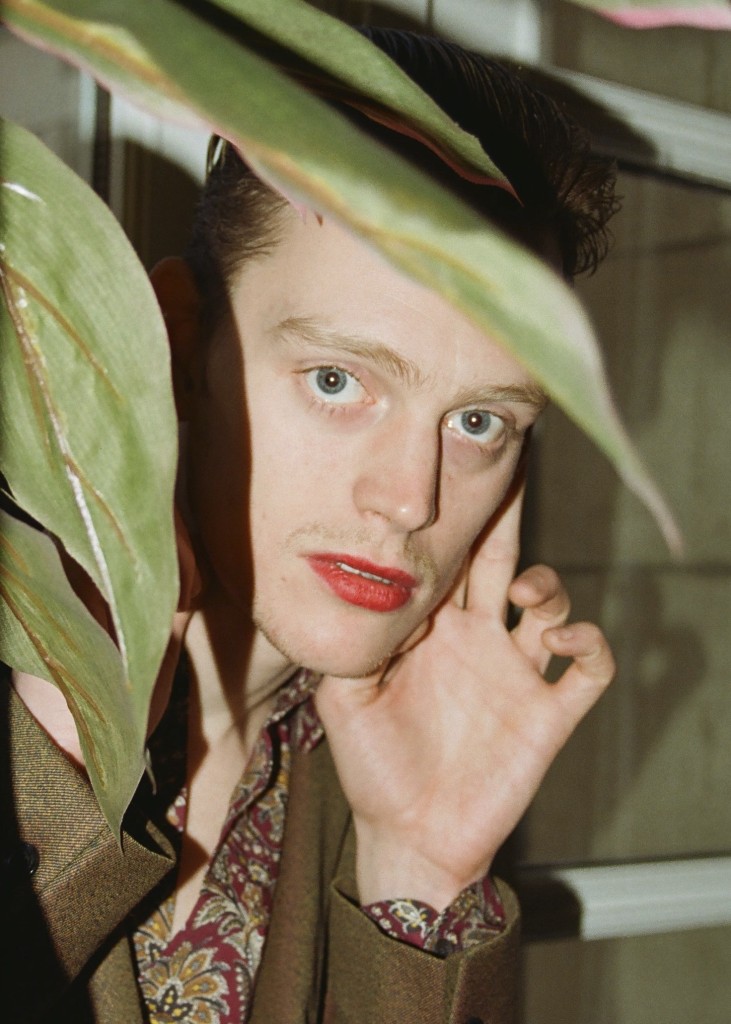
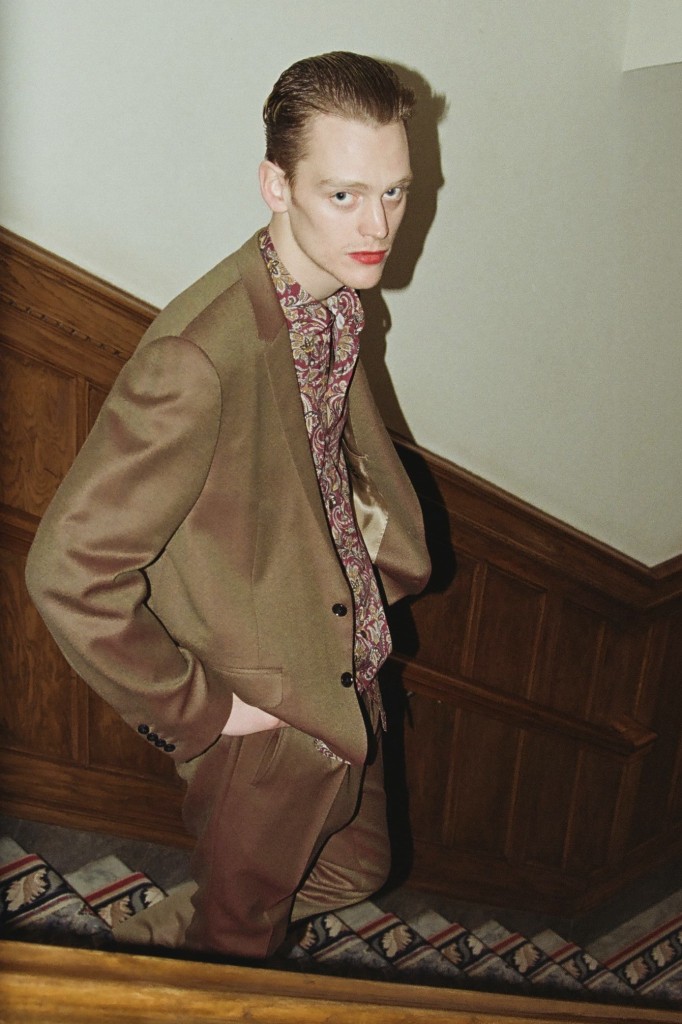
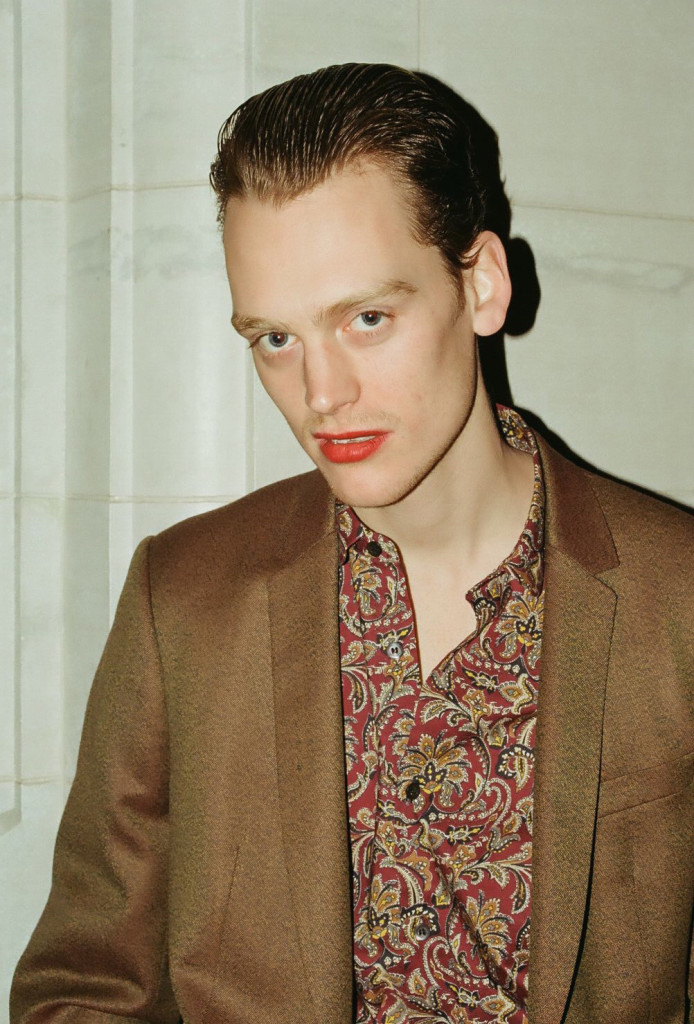
“It’s a dramatic zone for me,” the singer-songwriter Sean Nicholas Savage told me via Skype from a flat in London, England. The zone in question is Montreal, the incubating environment that houses his label Arbutus Records and the now defunct loft venue Lab Synthèse, the Mile End melting pot that helped spawn such artists as Grimes, Braids, Blue Hawaii and TOPS.
It’s also the city that has inspired the many tales of romantic despair and joy that reside in Savage’s prolific musical catalogue (he has released 11 albums since 2008). His songs can occasionally be read as misremembered AM radio classics, an alternate reality hit parade where his reedy, delicate voice is the clarion call for a generation.
His greatest skill is his ability to convey universal truths in profound yet eminently understandable ways. Many of his choruses could be mantras or maxims for today’s lovelorn youth. That’s part of what has made Edmonton-born Savage an underground legend in Canada’s independent music community.
He’s nobody’s secret now. In the past two years, Savage’s fame has grown exponentially. 2014’s Bermuda Waterfall and 2013’s Other Life are his first albums to receive major media attention, garnering positive reviews from publications such as Exclaim, Pitchfork and NME. He performed at Maison Martin Margiela’s MM6 Fall 2014 fashion show in New York. He’s played over 60 shows mostly in Europe this year, culminating in an opening slot with Blood Orange in NYC’s Central Park on August 16th.
Mature, confident and austere, Bermuda Waterfall is Savage’s strongest record to date. Recorded in a manner that somehow translates as both shaggy and polished, it’s a stark affair with touches of bossa nova, blue-eyed soul and louche Euro disco.
“It could’ve been a little more hi-fi but I needed to get away with some things,” says Savage. “Not like cover anything up but just have an angle on certain things. I think that there’s stronger singles [on this album], regardless of how they were recorded.”
His voice is as consistently dynamic and colourful as the music, which is produced in Berlin with German electro pop artist Touchy Mob. Electronic drums and wispy synths cut through the mix like light cascading through a stained glass window. These songs are his most direct and passionate yet, eschewing the willfully obtuse nature of his earlier efforts and performances. His raucous, unpredictable live shows have occasionally confused audiences as to how seriously his shows and his music should be taken.
I set a pretty serious tone. If you do anything kinda crazy, people just kinda scream and laugh at you and call you a joke. That usually means you’re onto something.
“I went on a campaign of guaranteeing sincerity for like all of last year,” he said with a laugh. “I set a pretty serious tone. If you do anything kinda crazy, people just kinda scream and laugh at you and call you a joke. That usually means you’re onto something.”
Across his vast discography, recurring themes present themselves: the heart (“Heartwish”, “Heartless”, “Gemini Heart”), pastoral concerns (“Naturally”, “The Natural Rhythm”), the astral plane (“Dreamers Die Hard”, “In My Dream”, “We Used To Live In A Dream”). Often there is a theme of mistaken identity, such as on Other Life standout, “She Looks Like You”.
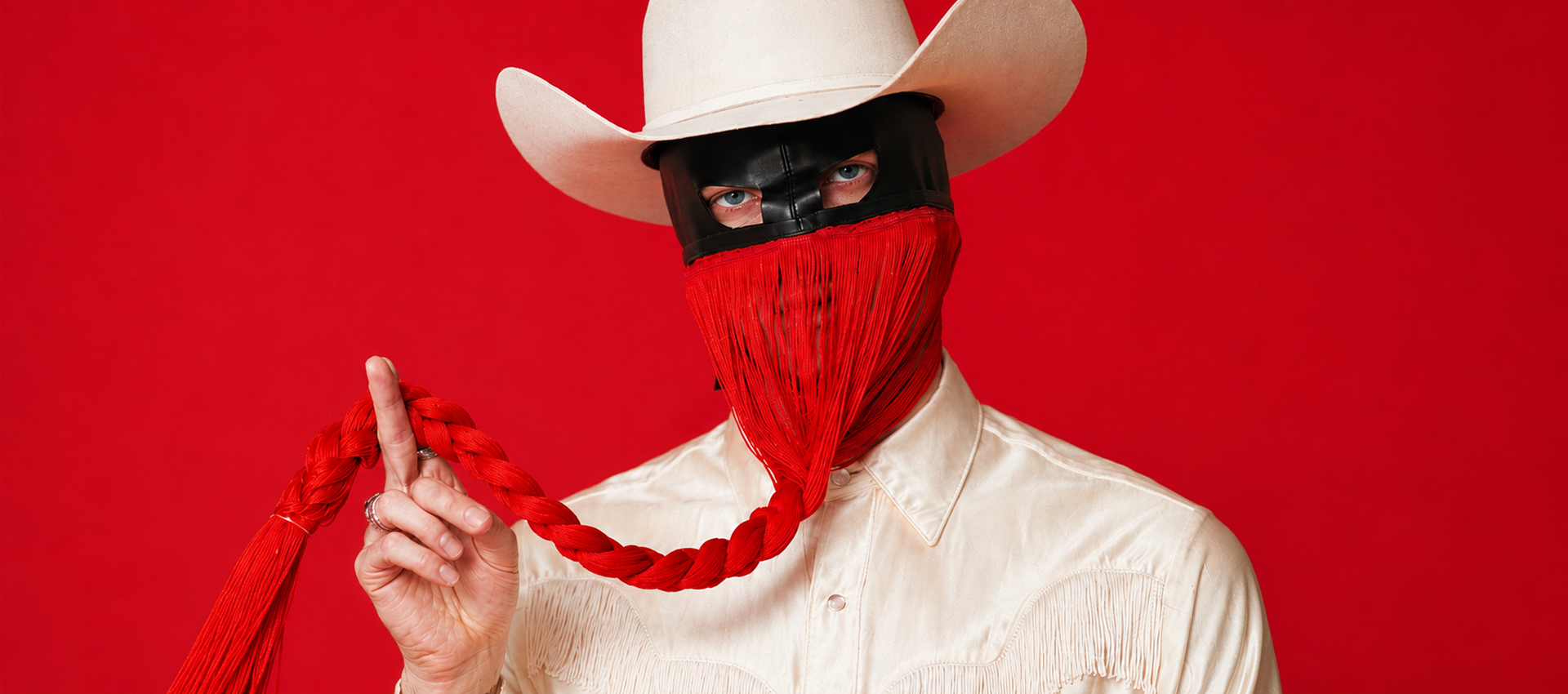
As his fame has grown, he’s even taken to performing with face paint and masks, reminiscent of Kanye West’s use of bejeweled Maison Martin Margiela masks on his Yeezus tour. This seems to represent a way of obscuring himself just as people finally want to watch.
“The mask is amazing. It feels great. Every song relates to the mask. One show I had face paint on under the mask and I started sweating and the paint burned my face and I started screaming under the mask.”
In an interview with Liz Pelly for Dazed & Confused, when referring to journalists reviewing his albums, Savage responded by saying, “I think it’s rich that some websites now want to grade my work. Sorry, but I get 100 percent on everything I do.” Rather than being the ramblings of a nascent megalomaniac, he clarified that to me as being more a statement on his personal creative standards.
I’m not gonna call something a record until it’s my best. My best is beyond my own abilities. It’s catching as many flukes as I can, miracles and things. If it’s all full of stuff that’s beyond me and I’m my own teacher or my own reviewer, anytime I stamp something with a title and call it an album, it’s gonna be more than 100% to me.
“I’m not gonna call something a record until it’s my best,” he said. “My best is beyond my own abilities. It’s catching as many flukes as I can, miracles and things. If it’s all full of stuff that’s beyond me and I’m my own teacher or my own reviewer, any time I stamp something with a title and call it an album, it’s gonna be more than 100% to me.”