Honour the Treaties
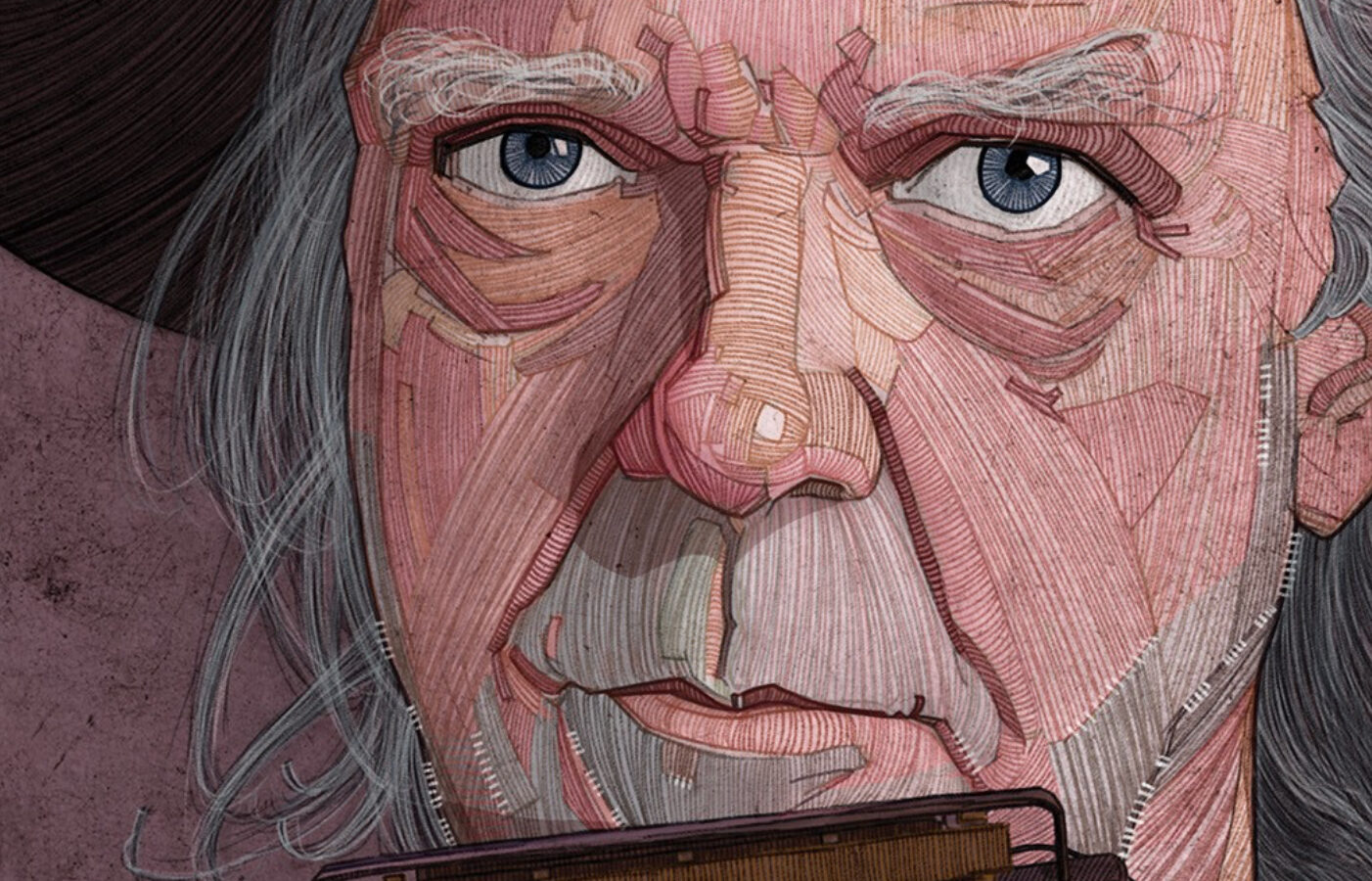
In January, Neil Young made headlines across Canada over his multi-city Honour the Treaties concert tour.
What grabbed the media’s attention was the purpose behind the tour. Primarily, it aimed to raise funds for the legal battle the Athabasca Chipewyan First Nation (ACFN) was waging against Shell Canada’s Jackpine mine expansion. Despite estimates by Shell that this enlarged development would bring in $17 billion in royalties and taxes to the Alberta and federal governments, indigenous and environmental groups feared that the destruction to land, water and wildlife would overshadow any financial gains. Allan Adam, Chief of the ACFN, explains: “The government just approved a giant Shell company project on our land in Alberta, even though it admits it will likely wreak havoc on the land and water my people depend on – and infringe on our treaty rights. But with Neil getting people talking, the government and Big Oil are worried Canadians will start to question the unchecked expansion of the Tar Sands that line their pockets.”
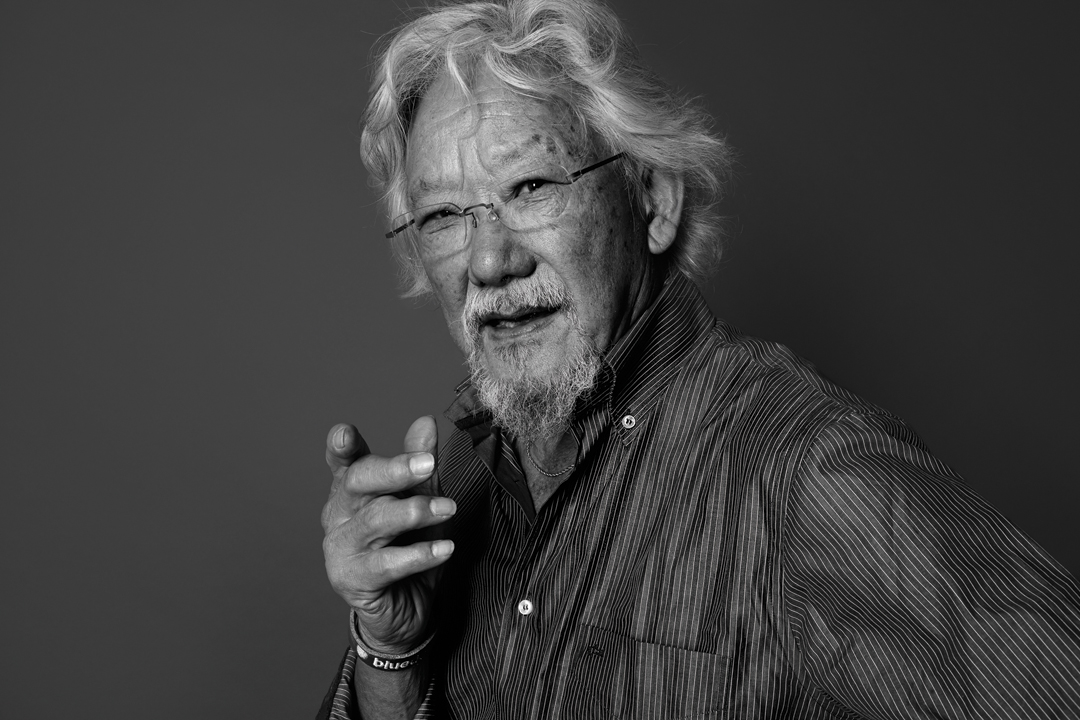
With stops in Toronto, Winnipeg, Regina and Calgary, Young performed concerts and held press conferences in each respective city. Leaving Calgary, the heartbeat of the Oil Sands industry, for last, he hosted a panel discussion moderated by environmentalist David Suzuki and a variety of panelists including First Nations representatives and environmental scientist Dr. David Schindler.
Neil Young is no stranger to using his platform to raise awareness about issues close to his heart. In 1985 he co-founded the now famous American benefit concert series Farm Aid along with Willie Nelson and John Mellencamp. The intent behind this initiative was to raise money for farmers in the US who faced potential bankruptcy due to surmounting mortgage debts. The following year, something much closer to his heart was at stake. With a son who was diagnosed with cerebral palsy, he and his wife founded the Bridge School, a school for children with severe speech and physical impairments.
Given his aptitude for raising awareness and funding social projects, it is little wonder that today Neil Young has invited the rest of Canada to move towards reconciliation with indigenous nations, which is what Anishinaabe journalist and educator Wab Kinew declares “the biggest social justice issue awaiting confrontation.” It is also no surprise that a celebrity like Young would garner so much scrutiny and criticism from a variety of sources. Perhaps what stood out as most surprising was how some media outlets misconstrued and cherry-picked his words to create a message that failed to resemble the truth of what he had said. This begs the question: what other misinformation does the media spew that continues to shape the consciousness of Canadians? Knowing the media slant, it seemed like Young missed an opportunity to communicate with greater clarity what treaties were being violated. It also didn’t help those sitting on the fence about these issues when Young refused to sit with Canada’s oil and gas lobby groups to have what they hoped would be “a balanced discussion”.
We have succeeded beyond our wildest dreams in raising money for legal defence of the First Nations.
Nevertheless, the tour was a success on many other levels. For starters, they exceeded their goal of raising $75, 000 for legal fees. “We have succeeded beyond our wildest dreams in raising money for legal defence of the First Nations. Global environmental forces are joining us now with financial resources and it’s now because of the Canadian people’s awesome response to our call for justice,” announced Young at the final concert in Calgary. Recently, Young gave an update about another legal battle the ACFN was involved in on his Facebook page indicating that Shell had “shelved the Pierre River expansion plan.” This is a small victory that shows the promise of ACFN’s work and partnership with Honour the Treaties.
Another success of the tour was the significant coverage Young attracted to issues concerning health and environmental impacts related to oil sands development, treaty relationships between First Nations and Canada, and the importance of seeking alternative forms of energy. “So it’s a win for us, because we’re all talking about it. No matter how you feel, there’s a discussion going on at the breakfast table. That’s big. That’s real. That’s Canada,” reflects Young on what the tour has provoked.
Not only are Canadians talking about these issues, but we are also slowly learning that the answer to this complex situation isn’t to reduce it to just one facet. Young admitted that it’s not an “anti-tar sands crusade.” That message would be too simple and misinformed. Instead, what Young has demonstrated is that in order to move forward, we, the citizens of Canada, need to walk together towards our preferred future.
Louie Dih ttheda, Dene Elder of the Black Lake First Nation, reminds us: “It is said, that when God made this world he made many different things. That is why the newcomers and First Nations people must help each other and work together.” Taking into account that Canada is ranked dead last of OECD countries when it comes to environmental protection and that Alberta only enforces one percent of its tar sands environmental violations, it is that much more imperative that we stand united in protecting our land for future generations. Don’t be fooled – the collective voice of concerned citizens and Indigenous peoples is louder and carries a larger scope of influence than Neil Young could ever muster. Which is precisely the result Young is hoping for.