Charles Bradley
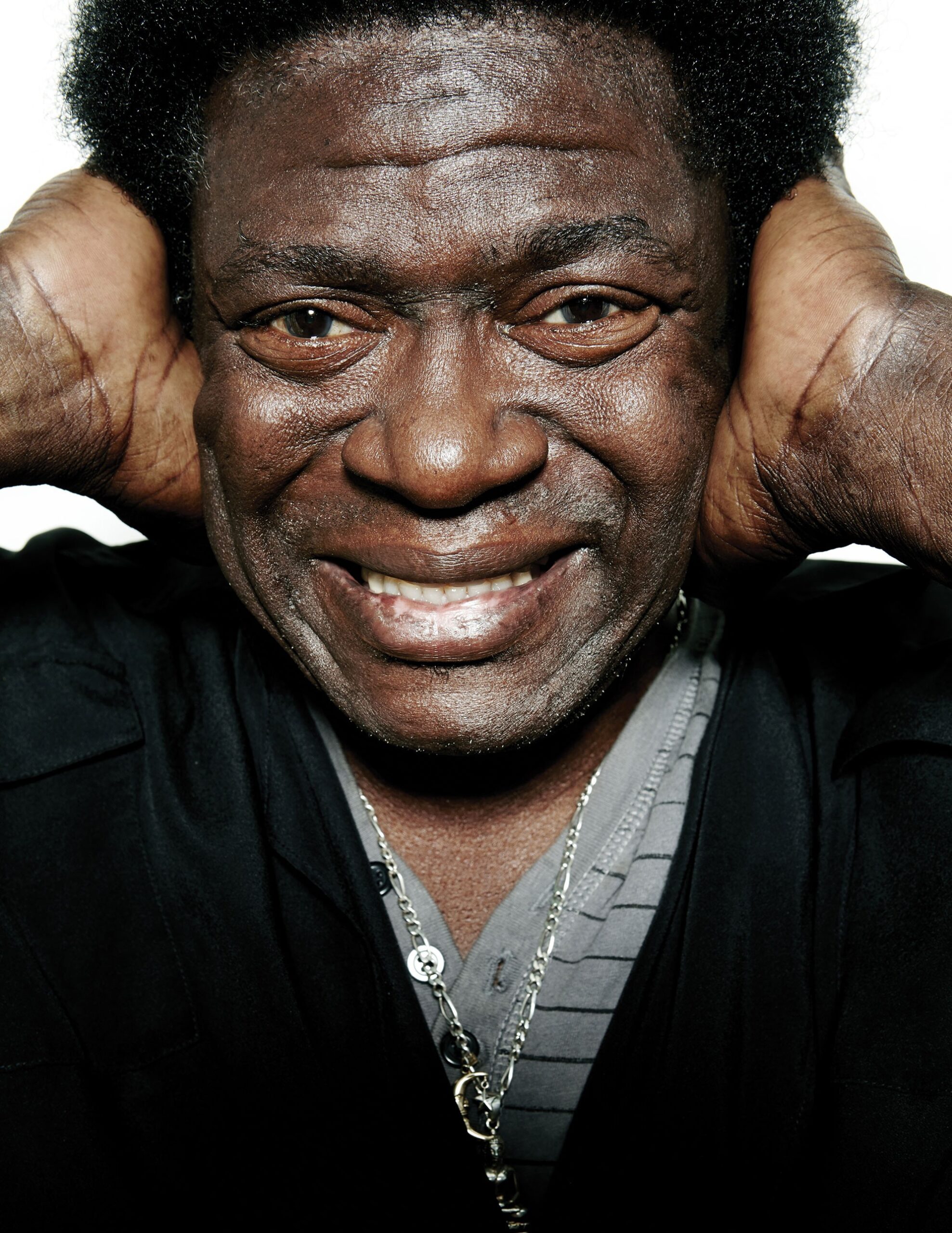
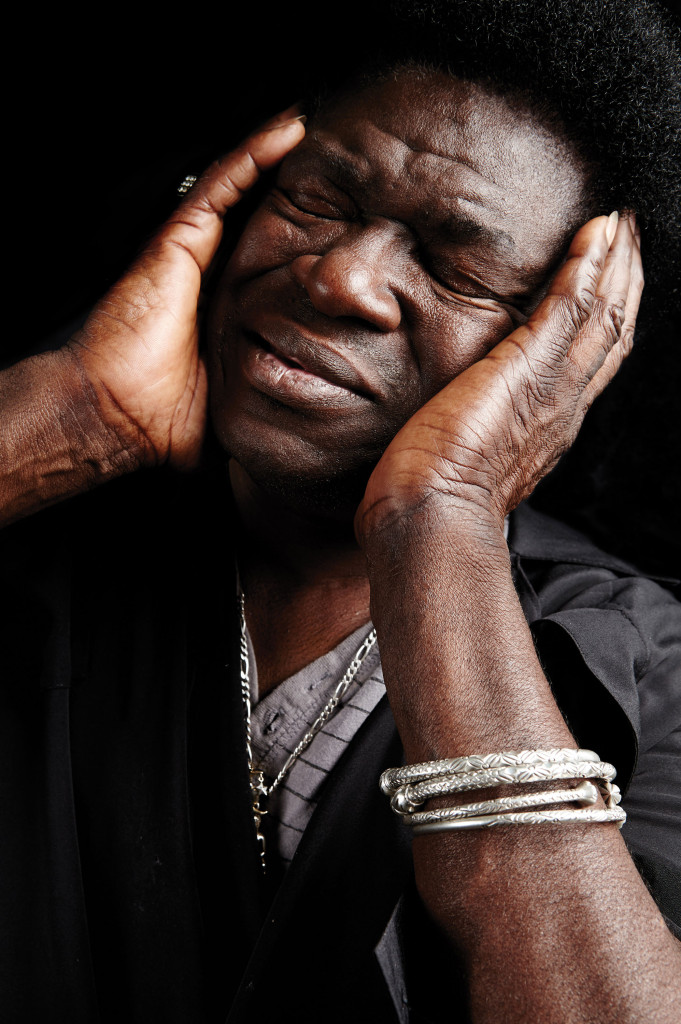
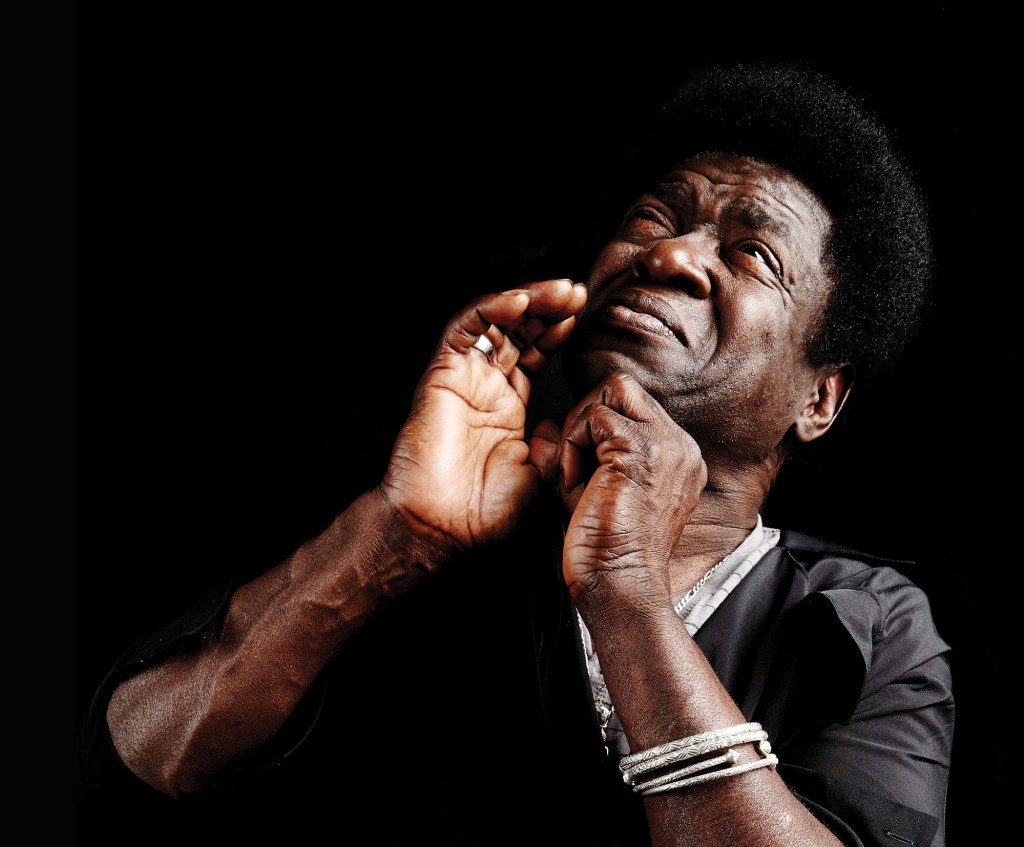
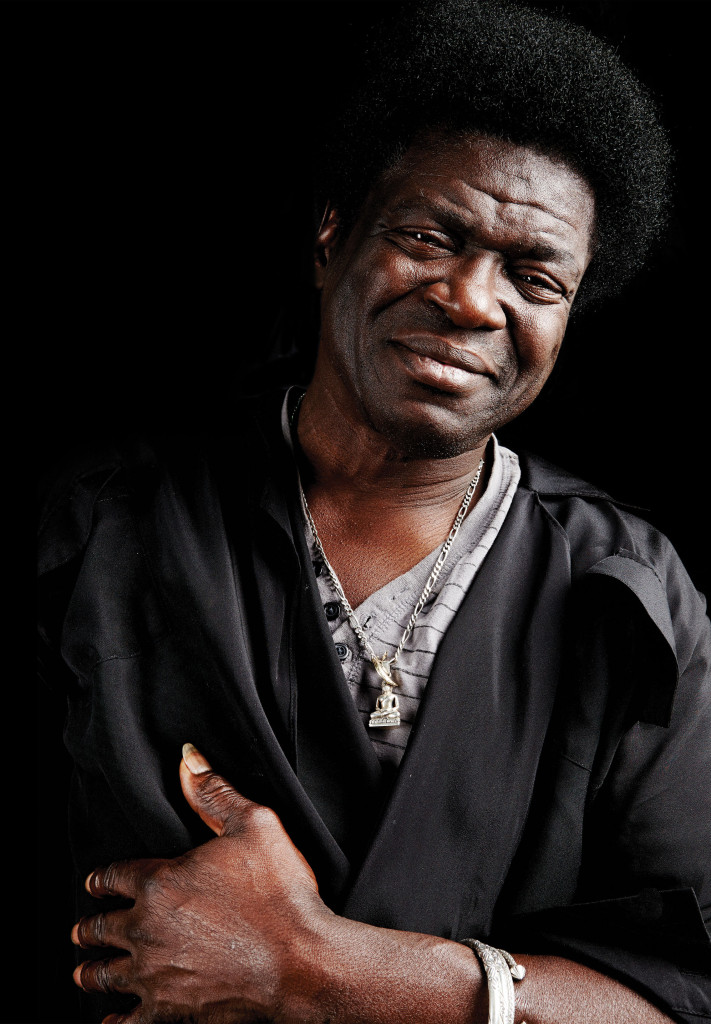
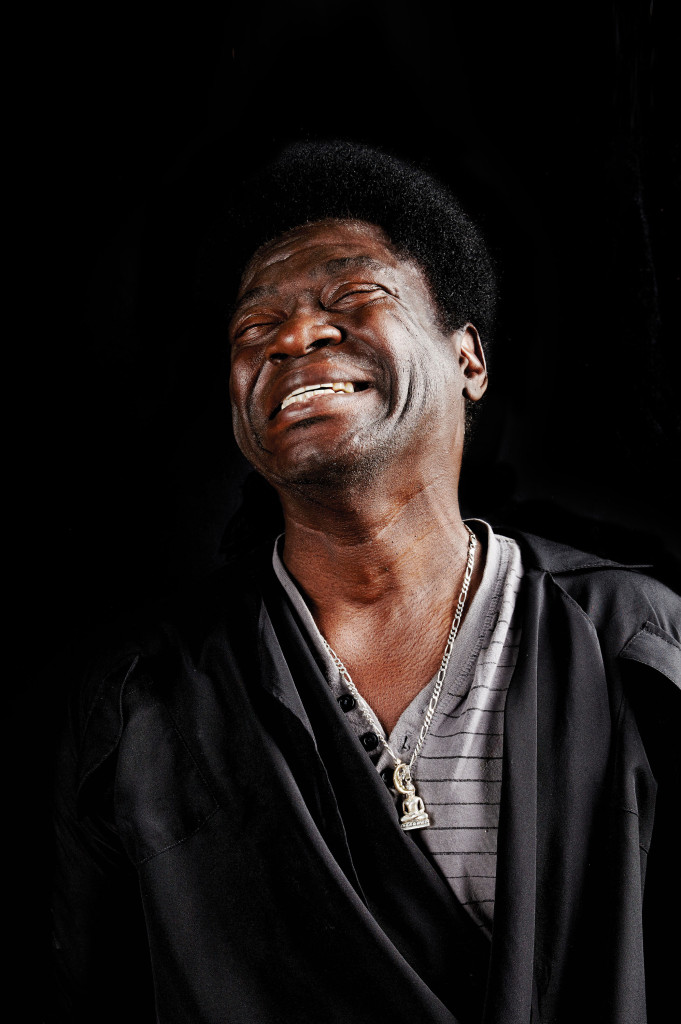
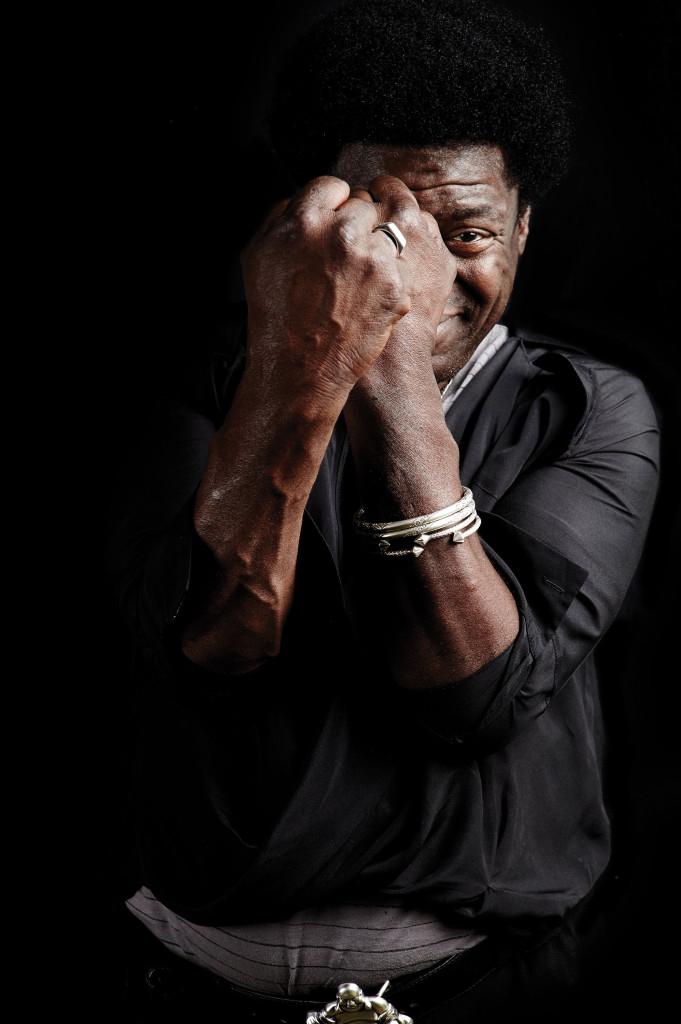
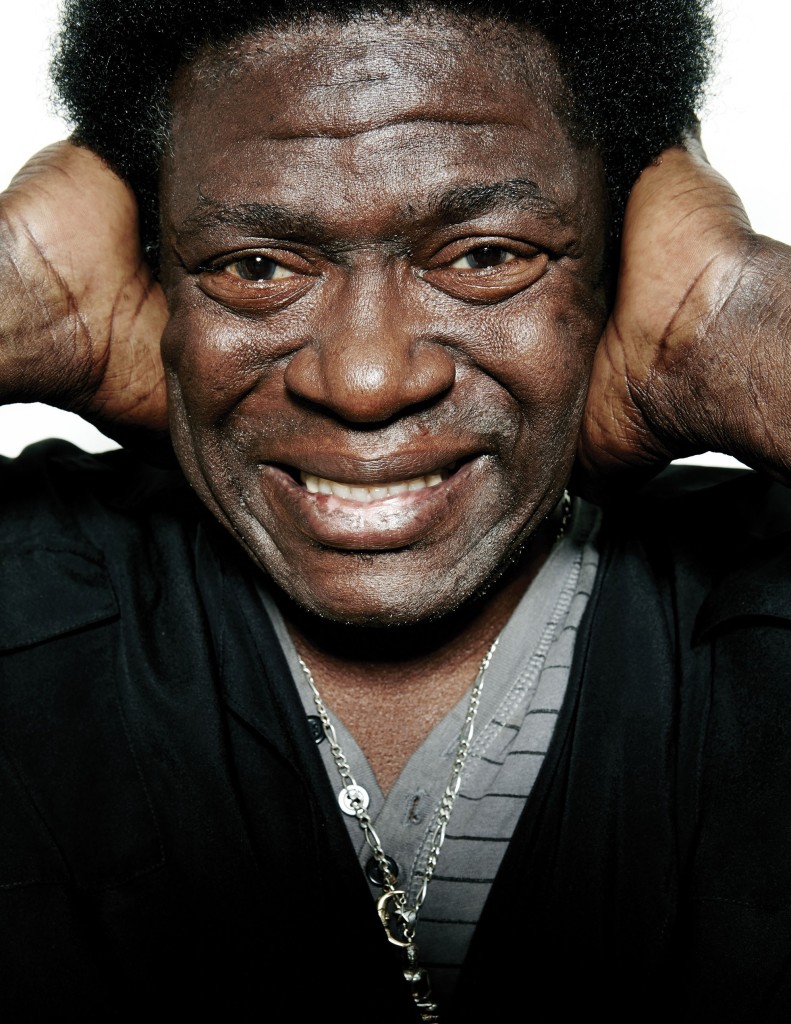
I’ve been doing James Brown since I was 14. Now, I’m going to do Charles Bradley.
There’s a story in the Bible about a man who, while walking through a field, serendipitously stumbles onto something that would forever alter his life. What lay at his feet at that auspicious moment was nothing more than a vast amount of undiscovered treasure. One moment he’s walking, minding his own business, and the next, he’s staring at riches beyond his imagination. What’s his next move? Simple. Without hesitating, he sells all of his belongings in order to purchase that field. In other words, he trades his past for a better future.
Like that man, Charles Bradley knows all too well what it takes to seize the opportunity of a lifetime. The documentary Soul of America begins with shots of Charles Bradley getting ready for his gig as a James Brown impersonator known in New York as “Black Velvet”. The narration transposed over these scenes is a triumphant Bradley declaring in his raspy voice, “I’ve been doing James Brown since I was 14. Now, I’m going to do Charles Bradley.”
When I sat down to interview Charles, who was in Edmonton for the first time as a main stage performer at this year’s Folk Fest, I was caught off guard by his willingness to share his heart with me. In the first few minutes, he admitted he was emotional from the encouragement he received from the previous journalist. The tears resting on his wrinkled face revealed a man still humbled by the opportunities he’s had ever since he was discovered by Daptone Records during one of his James Brown sets.
At 64 years of age, Charles Bradley has crossed the chasm from obscurity to public recognition in less than three years. He has released two LP’s (No Time For Dreaming in 2011 and Victim Of Love in 2013), toured the world, received critical acclaim and has had a documentary (Soul of America) about his life screened across theatres in North America. For someone so late in the game, this sort of transition within the music industry is rare. So I ask Charles how he’s adapted to the fame he’s experienced over the last few years. Without pausing to think, he answers: “Even though I’m a performer, going all over the world, I’m still the same person. I haven’t changed. You know, like my Uncle always said. He’s 90-years-old. He says, ‘Son, go out in this world and express to the world who you are. Not only as an artist but as a person … Stand on your rock and keep going. Take God in your heart wherever you go.’ So, I’m not greater than anybody else on this planet. I’m just a person that’s living within my morals and loving and respecting everyone.”
Before I ask him the next question, Charles interrupts me to add something else his 90-year-old Uncle advised him on, “He also said to me, ‘Charles, go out and make money. But never let money make you. If you let money make you, then you have lost. Keep that quality in your mind and God will always shine through you.’”
Whether it’s struggling to survive on his own since he left home at 14, or managing a demanding schedule while financially providing for his 89-year-old mother, Charles remains hope-filled. I ask him what the source to such optimism is. Without sounding one bit religious he answers with conviction: “Stay humble to God’s word. That’s what keeps my faith. I remember they told me, ‘Charles, if you ever feel that you’re lost, remember one thing in your life and live it.’ It’s the Ten Commandments. That’s what I do. I follow [God’s] rules. Like, nowadays it’s so easy to go astray from that. But I am 64-years-old and I ain’t gone astray yet. Every day is a new day.”
[column size=”1″]
I want to reach the leaders who are controlling this world. I want to reach them more closely, to look at what they are doing to the middle class, to poor people.
[column]
[column size=”2/3″]
For Charles, some days he’s singing in front of thousands with his signature, emotionally-charged raw voice that transports you to what soul music was in the 1960’s. Other days, he’s home, escaping the demands of an unknown world. Yet, despite all the good that he’s experienced, there are still scars from his past that keep him cautious about the future. He’s still not able to shake the memories of being racially profiled by authorities when he lived on the streets. With sadness he confesses, “I don’t want to be abused or be picked on by police or State Troopers anymore. That’s why I stay in the house. If I’m not doing music, I’m still afraid to go outside.” There’s also pain in his eyes when he tells me how some of his friends no longer respond to him because of his success.
It is both the heartache and his unquenchable joy channeled into every song he writes and every lyric he wails from the depth of his soul that connects with listeners in a way that is not only honest, but disarmingly inspiring. He has his eyes set on more than just admiration though; he aims to take his message of love, righteousness and freedom to the corridors of power. Determined, he states, “I want to reach the leaders who are controlling this world. I want to reach them more closely, to look at what they are doing to the middle class, to poor people.”
As our interview drew to a close, he admitted that after everything is said and done, the biggest highlight of his life is, “I still see my Mama.”
“So you’re a Mama’s boy!” I quip. He beams with happiness as he shares with me the love his mother showers on him. It’s then when you realize that for Charles, the treasure in his life is the restored relationship he gets to enjoy with his aging mother. The tours, the record deal and the accolades are just an added bonus to an already blessed life.