Beirut


Somewhere between Gulag Orkestar and here, Zach Condon and his crew have stopped wearing their Balkan Folk and Mariachi roots like newly purchased second-hand clothes, and they’ve started to really own those sounds. Their latest, The Rip Tide, has made that clear. The album displays the ability to mix in a number of extra influences and flavours while still keeping to what makes Beirut Beirut.
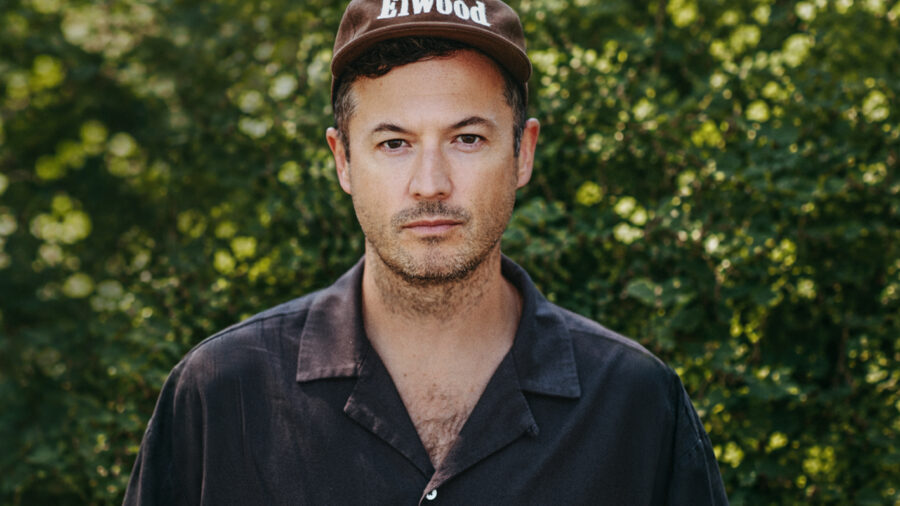
When the band stopped in Edmonton while touring for the new album this summer, I had a chance to sit down with Beirut mainstay, bassist Paul Collins, to talk about the band, their roots and the influences in their work. Collins hails from rural Eastern Oregon, not the hip Portland area we all admire, but a typical small town, the type that many of us could identify with. Leaving that town a number of years ago for an art college in Santa Fe, Collins met Condon and others. At some point thereafter, the band Beirut came to be – a band with Baltic and Spanish influences, named after a city in Lebanon, made up of American musicians.
Naturally then, the question of place came up. “The band is called Beirut, and I’d say more than anything that the idea of place is what that name is about. It’s the importance of place, the different imagination that comes when you go somewhere and the ideas that come to mind. Beirut is a place where nobody in our band has ever been, but the word evokes something, and it sticks with people. I think that’s tremendously important. It’s that idea that has been associated with every project we’ve ever done.”
Now with most of the band living in New York, the place is different, and so is the influence to some degree. “Recording this last project, we were upstate in New York and it was covered in snow. Zach was pumped. It was kind of a horrible recording session in some ways, but in other ways it was great because we were all on the same page. We were all experiencing the same stuff like, ‘This is fucking cold,’ or, ‘There’s not enough stuff in this studio to work with.’ It was a mess. The music part was great but we were getting curveballs thrown at us left and right and I think [Zach] loves that we persevered through that.”
One thing that has been a constant for Beirut, other than the folk roots, has been the struggle to maintain the band’s identity against music trends that can blow up and die out in what seems like months. Having once been called a ‘blogger band’ themselves, Beirut knows the challenge of being the indie poster boy. “Publications, especially Pitchfork, have been good to us in that they’ll always write about us. Pitchfork will let us play their festival, which is really nice. Some of the things they do are cool, but we’ve never really been their thing. In a lot of ways that has been good for us. If you get too much of a thumbs up from Pitchfork, then you become a Pitchfork band, which in the long run can hurt you. We’ve tried to avoid that type of thing from the very beginning.” If that’s the case, the struggle has paid off and Beirut has been one of the lucky few that have pushed through the hype and built a solid following.
Like a good book or a film, Beirut’s music takes you somewhere else, away from that small town or that Midwestern city, and transports you to another time or another place. That’s important to Beirut, and it’s something they work to achieve with their music. “One thing we’ve always bonded over as a band has been foreign films from France or certain Serbian films. That’s always in the back of the mind as an influence. When you grow up in New Mexico or in rural Oregon, your world is so closed off. Then one day you decide to rent Alphaville. You see that type of thing and it makes you realize how much more of the world is out there.” Beirut is no foreign film, but the comparison fits. Their music broadens your musical world and introduces you to something different, giving you some moments that can take you someplace else.
To be fair, Beirut isn’t trying to be too different, at the risk of being too intellectual or inaccessible. “I feel really uncomfortable trying to put the whole ‘cultured’ thing on people. It’s what I love about what Zach does; it could be really pretentious – I’m sure some people think it is – but he’s framed it in an accessible pop context.” The Rip Tide isn’t necessarily radio pop, but it is pop nonetheless, with enough hooks and anthems to make it a very solid album and a fantastic live show. If you haven’t, you should probably check them out next time they come around.